Choosing among the 2026 Best Private Label Shampoo Manufacturing Companies requires more than comparing catalog prices. A low quotation may hide minimum order quantities, unstable supply, or limited formulation support. This guide examines manufacturers through practical details, including ingredient sourcing, scalp testing, batch consistency, packaging control, and delivery performance. These factors matter when a shampoo moves from a sample bottle to a retail shelf.
Kelly Dobos, a cosmetic chemist and educator, describes formulation as “a balance between efficacy, aesthetics, and safety.” That balance shapes responsible Private label shampoo manufacturing. A pleasant fragrance cannot replace cleansing performance. Attractive packaging cannot repair poor preservation. Reliable manufacturers should provide technical documentation, stability testing, compliant labeling support, and clear communication about allergens and claims. They should also explain what they cannot guarantee.
Small details reveal experience. Does the factory record batch viscosity before filling? Can it adjust a formula for dry, oily, curly, or color-treated hair? Are cartons protected from humidity during storage? These questions separate a polished sales presentation from dependable production. Still, no company is perfect. A supplier may offer excellent formulation work but lack flexible packaging options. Another may provide fast delivery but limited customization. Buyers must weigh those weaknesses honestly.
This overview is designed for brand owners, salon entrepreneurs, and established retailers seeking informed partnerships in 2026. It considers manufacturing capability, quality systems, customization, pricing transparency, sustainability, and communication. The strongest choice is not always the largest factory. Sometimes, it is the partner that answers difficult questions clearly, documents its process, and admits where improvement is still needed.
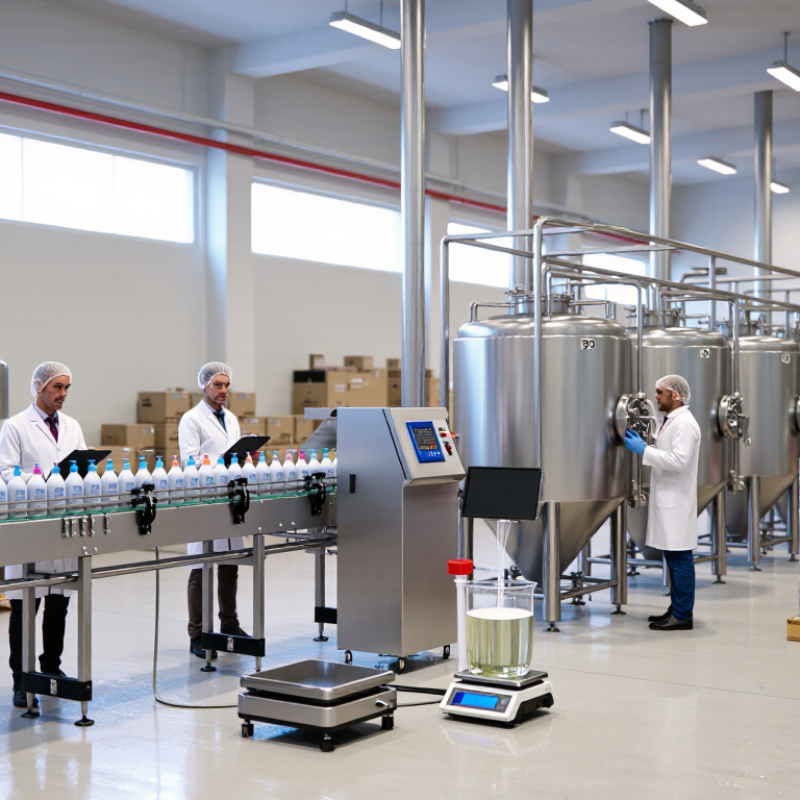
Private label shampoo manufacturing means a specialized manufacturer develops and produces shampoo for another business. The finished product carries the buyer’s label, not the factory’s identity. The buyer may choose the formula style, fragrance, color, bottle, and market position. Some projects begin with a ready-made base. Others require a formula created from the ground up.
In practice, reliable manufacturing involves more than filling bottles. Formulators review hair concerns, cleansing performance, ingredient compatibility, and product texture. They may test foam in hard water and examine viscosity after temperature changes. Samples usually pass stability and microbial checks before production. Packaging must also protect the formula from leakage, contamination, and repeated bathroom handling.
It is not magic.
A first sample may smell excellent but feel too heavy on fine hair. A clear formula can become cloudy after fragrance is added. These problems are normal, but they require careful records and honest corrections. Experienced teams check raw material documentation, batch consistency, label accuracy, and applicable cosmetic requirements in the target market. They also avoid unsupported claims, such as promising permanent hair growth. A dependable partner explains minimum order quantities, production timing, testing limits, and possible weaknesses before accepting an order. That transparency protects quality, although it can make the project slower than expected.
A practical comparison framework for evaluating private label shampoo manufacturers, production capabilities, compliance requirements, and typical commercial conditions without relying on company or brand names.
| Evaluation Dimension | What Private Label Shampoo Manufacturing Means | Typical Industry Information | Why It Matters in 2026 | Recommended Verification Evidence |
|---|---|---|---|---|
| Manufacturing Model | A manufacturer produces shampoo according to a buyer's selected formula, packaging, label design, and commercial specifications. | Common models include ready-made formulas, semi-custom formulas, and fully custom formulation and development. | Buyers can balance speed, differentiation, development cost, and product risk. | Product development workflow, sample approval process, formulation ownership terms, and technical documentation. |
| Formula Development | The manufacturer creates or adapts the shampoo formula to meet the target hair type, performance claims, texture, fragrance, and market requirements. | Typical development steps include concept review, ingredient selection, laboratory samples, stability testing, pilot production, and final approval. | Formula flexibility is important for sulfate-free, silicone-free, color-safe, moisturizing, volumizing, and scalp-care positioning. | Formula brief, ingredient list, sample records, revision policy, and stability-test plan. |
| Minimum Order Quantity | The minimum quantity a buyer must order for a production run or packaging configuration. | Typical minimums vary widely by formula, container, decoration method, and filling line. Small standard-formula runs may begin in the hundreds or low thousands of units, while custom packaging often requires higher quantities. | MOQ directly affects inventory investment, cash flow, launch risk, and the feasibility of testing a new product. | Written MOQ by SKU, formula, bottle type, label method, and color or fragrance option. |
| Production Lead Time | The time required from approved specifications and purchase order to finished goods ready for shipment. | Standard formulas generally have shorter lead times than new formulas. Custom components, testing, and imported packaging can add additional weeks. | Reliable lead-time planning helps prevent stockouts and supports seasonal product launches. | Production schedule, component procurement timeline, approval milestones, and shipping-ready date. |
| Quality Management | A documented system for controlling raw materials, manufacturing processes, filling, labeling, packaging, and finished products. | Important controls include batch records, incoming-material checks, in-process inspections, finished-product testing, traceability, and deviation management. | Consistent quality reduces complaints, recalls, rejected shipments, and marketplace compliance issues. | Quality manual, batch records, inspection checklist, certificate of analysis, and corrective-action procedure. |
| Good Manufacturing Practices | Manufacturing practices designed to ensure products are consistently produced and controlled according to defined quality standards. | Cosmetic facilities commonly use documented hygiene, sanitation, personnel training, equipment maintenance, batch control, and record-keeping procedures. | GMP-based systems improve production consistency and support due diligence by retailers and distributors. | Current GMP certification where applicable, audit report, sanitation records, training records, and facility photographs. |
| Regulatory Compliance | The process of ensuring the formula, claims, labeling, packaging, and manufacturing records meet the rules of the destination market. | Requirements differ by jurisdiction. Cosmetic products may require compliant ingredient nomenclature, responsible-party information, warnings, product records, and market notifications or registrations where applicable. | Compliance requirements continue to evolve, especially for ingredient restrictions, sustainability claims, and product safety documentation. | Regulatory review, ingredient compliance assessment, label review, safety documentation, and market-specific filing support. |
| Ingredient Documentation | Records showing the identity, specifications, safety information, and quality status of raw materials used in the shampoo. | Common documents include INCI names, specifications, safety data sheets, allergen information, certificates of analysis, and origin statements. | Transparent documentation supports safety assessment, retailer requirements, and responsible claim substantiation. | Complete raw-material dossier, supplier qualification records, batch-specific certificates, and allergen declaration. |
| Product Safety Testing | Testing and assessment used to confirm that the finished shampoo is suitable for its intended use and packaging system. | Depending on the market and formula, testing may include stability, microbiological quality, preservative effectiveness, packaging compatibility, and safety assessment. | Testing helps identify changes in odor, color, viscosity, microbial quality, or packaging performance before commercial release. | Stability protocol, test reports, microbiological results, preservative challenge results where relevant, and safety assessment. |
| Packaging Options | The manufacturer supplies or fills bottles, pumps, caps, tubes, pouches, or other approved packaging formats under the buyer's specifications. | Common shampoo packaging includes plastic bottles with disc-top caps, flip-top caps, or pumps. Recycled-content and refill-oriented formats are also used in the market. | Packaging affects product protection, user experience, shipping cost, sustainability profile, and shelf presentation. | Packaging specifications, compatibility test, closure performance test, decoration proof, and recycled-content documentation. |
| Filling and Batch Capacity | The facility's ability to compound, fill, cap, label, pack, and release products at the required scale. | Capacity depends on tank size, filling-line speed, changeover time, packaging format, labor, and quality-release procedures. | A suitable capacity profile allows a product to move from a small market test to larger retail or e-commerce volumes. | Equipment list, tank capacities, filling-line specifications, production schedule, and capacity allocation policy. |
| Claims Support | Evidence and wording guidance used to support statements such as moisturizing, volumizing, color-safe, strengthening, or scalp-care claims. | Claims should be appropriate for a cosmetic product and supported by formula information, testing, literature, or consumer-use data as required by the target market. | Clear claim substantiation lowers the risk of misleading advertising or regulatory classification problems. | Claims matrix, substantiation file, test protocol, consumer study summary, and legal or regulatory review. |
| Customization Level | The degree to which the buyer can modify the formula, fragrance, color, viscosity, packaging, label, and outer carton. | Ready-made programs are usually fastest; semi-custom programs modify selected attributes; fully custom programs require more development time and technical approval. | Customization enables market differentiation but can increase cost, MOQ, testing requirements, and lead time. | Customization menu, development quotation, sample revision limits, tooling charges, and intellectual-property terms. |
| Cost Structure | The total cost associated with formulation, raw materials, packaging, filling, testing, artwork, tooling, logistics, and compliance services. | Unit cost typically decreases with higher volumes, standardized packaging, and fewer formula or artwork variations. | Evaluating total landed cost gives a more realistic view than comparing the ex-factory unit price alone. | Itemized quotation, tooling and setup fees, testing charges, freight assumptions, payment terms, and tax treatment. |
| Supply Chain Resilience | The manufacturer's ability to maintain supply when raw materials, packaging, transportation, or demand conditions change. | Useful measures include qualified alternative suppliers, safety-stock policies, forecast procedures, dual sourcing, and documented change control. | Resilience is increasingly important for maintaining availability and controlling unexpected cost changes. | Business-continuity plan, supplier qualification process, alternative-material policy, and inventory strategy. |
| Sustainability Information | Documentation concerning ingredients, packaging materials, manufacturing efficiency, waste management, and environmental claims. | Relevant areas include recycled content, recyclable packaging, concentrated formulas, reduced water use, renewable energy, and responsible sourcing. | Environmental claims must be specific, accurate, and supported by evidence rather than broad or unqualified statements. | Material declarations, recycled-content certificates, lifecycle information where available, waste records, and claim substantiation. |
| Export and Logistics Support | Services that prepare finished shampoo for domestic or international shipment, including documentation and packaging requirements. | Requirements may include commercial invoices, packing lists, product specifications, transport classifications, customs information, and destination-market labels. | Experienced logistics support helps reduce customs delays, documentation errors, and damage during transportation. | Export-document checklist, carton specifications, pallet plan, freight quotation, and shipping responsibility terms. |
| Supplier Selection Priority | A structured method for comparing manufacturers rather than choosing solely by price or marketing claims. | Recommended priorities include regulatory capability, quality systems, formula fit, MOQ, lead time, testing, communication, capacity, and total cost. | The most suitable manufacturer is the one that reliably meets the product's technical, commercial, and compliance requirements. | Completed supplier questionnaire, sample evaluation scorecard, audit findings, reference checks, and signed specifications. |
A specialized factory develops and produces shampoo for another business. The finished bottles carry the buyer’s label. The buyer may choose the formula, fragrance, color, bottle, and market position. Some projects use a ready-made base. Others need a new formula.
Formulators check cleansing performance, texture, fragrance, viscosity, and ingredient compatibility. They may test foam in hard water. They also examine the product after heat and cold exposure. Stability and microbial checks should support production decisions.
A sample may smell pleasant but feel heavy on fine hair. A clear formula can turn cloudy after fragrance is added. The bottle neck may not match the filling equipment. Small details matter.
Ask for the production address, certifications, audit records, and testing evidence. Review batch traceability and documented quality controls. Do not rely only on attractive samples or fast replies. Technical competence needs proof.
A pilot batch should test the formula and packaging together. Inspect it after heat exposure, cold storage, and repeated opening. Check viscosity, fragrance consistency, color changes, leakage, and microbial results. I would not approve a large order too quickly.
Request complete ingredient documentation and accurate label information. Ask for testing records, stability results, and batch details. Claims should have suitable supporting evidence. Avoid promises that cannot be properly verified.
Confirm the minimum order quantity, lead time, filling limits, and packaging tolerances. Define formula ownership and change-notification procedures. Include rejected-batch handling and corrective-action timelines. Written details prevent uncomfortable surprises.
A lower price may hide weak quality systems or limited production capacity. Delays, inconsistent batches, and packaging problems can increase total costs. Seasonal demand may also affect delivery timing. Cheap is not always efficient.
Formula adjustments, extra testing, packaging changes, and approval checkpoints may extend the schedule. This can feel frustrating. However, transparent corrections are safer than rushed production. The final process may still have weaknesses, so records should remain honest.
Private label shampoo manufacturing enables businesses to develop and sell shampoo products under their own brand without building an in-house production facility. This model typically covers formula development, ingredient selection, testing, packaging design, filling, labeling, and quality control. In 2026, companies evaluating manufacturers should consider production capabilities, formulation expertise, minimum order quantities, certifications, facility standards, lead times, pricing transparency, and communication quality. A reliable partner should also support product customization, sample development, packaging sourcing, stability testing, regulatory documentation, and scalable production.
The best manufacturing partner depends on a brand’s target customers, product concept, budget, launch schedule, and future growth plans. Before making a decision, businesses should compare several manufacturers, review their service scope, confirm quality and safety procedures, assess their ability to meet deadlines, and clarify ownership of formulas and packaging designs. Choosing a capable and transparent partner can help create consistent, market-ready shampoo products while reducing operational complexity and supporting long-term brand development.