0%

Choosing among China’s best Contract skincare manufacturing companies requires more than comparing prices, product catalogs, or polished factory photographs. A reliable partner should show practical experience with formulation, filling, packaging, stability testing, and quality documentation. Look for evidence of GMP-based production, ISO 22716 practices, controlled water systems, trained laboratory staff, and traceable raw materials. Ask to inspect sample batches. Review ingredient specifications, microbiological results, packaging compatibility, and realistic production timelines.

Cosmetic chemist Perry Romanowski has often emphasized, “The formula is only one part of making a successful cosmetic product.” That point matters. A beautiful serum can still fail because of separation, unstable active ingredients, leaking pumps, or unclear product claims. Strong manufacturers discuss these risks before requesting a purchase order. They also explain minimum order quantities, pilot runs, testing responsibilities, and change-control procedures in clear language. No supplier is perfect. Even an experienced factory may have limited expertise with a specific texture, preservative system, or packaging format.

This guide examines China’s leading Contract skincare manufacturing companies through practical, evidence-based criteria. It considers technical capability, communication, quality control, customization, pricing transparency, and export readiness. Factory scale matters, but it should not replace verification. A smaller facility may offer closer development support. A larger producer may provide stronger capacity and automated production. The right choice depends on your product, market, budget, and risk tolerance. Ask uncomfortable questions. Request documents. Test the finished sample under realistic conditions. That extra step can prevent expensive surprises later.
China Best Contract Skincare Manufacturing Companies?

What Is Contract Skincare Manufacturing in China?

China Best Contract Skincare Manufacturing Companies?

Contract skincare manufacturing in China means hiring a specialized factory to develop and produce cosmetic products for your business. The manufacturer may support formula development, ingredient sourcing, filling, labeling, and quality inspection. You provide the product concept, target users, packaging direction, and expected sales market. The factory turns that brief into physical products.

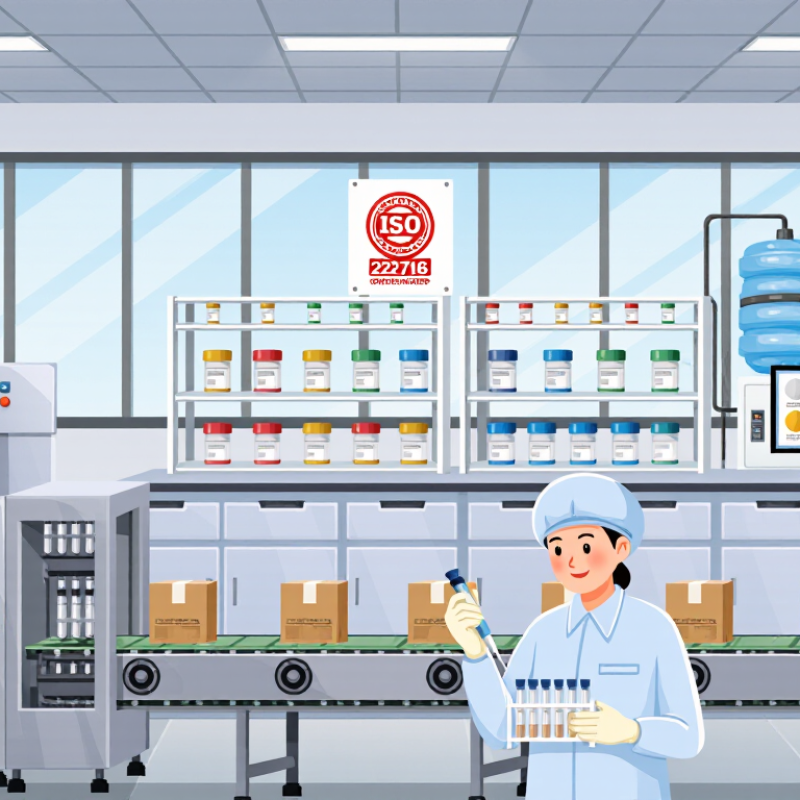
The process usually starts with a product consultation and sample development. A technical team may adjust texture, fragrance, color, viscosity, or absorption. Small details matter. A cream should not separate after temperature changes. A cleanser should pour smoothly from its bottle. Responsible manufacturers test raw materials, production batches, microbial safety, stability, and packaging compatibility. Ask for batch records and test reports.

Do not judge a factory by photographs alone. Request business documents, facility information, quality procedures, and relevant production qualifications. A video tour helps, but an independent audit can reveal more. Confirm minimum order quantities, lead times, payment terms, and how defects are handled. Written specifications reduce confusion between sales teams and technicians. No factory is perfect. Delays and sample revisions can happen, even with experienced suppliers. That is why pilot orders, retained samples, and clear inspection standards are practical safeguards. Regulatory requirements also differ by destination, so your compliance team should review the formula and documents before shipment.

How to Evaluate China’s Best Contract Skincare Manufacturers

China Best Contract Skincare Manufacturing Companies?

How to Evaluate China’s Best Contract Skincare Manufacturers

Choosing a contract skincare manufacturer requires more than comparing quotations. Visit the facility, or request a live video audit. Inspect filling lines, raw material storage, batch records, and sanitation controls. A clean showroom proves very little. Production evidence matters more.

Ask how formulas are developed, tested, and adjusted for different skin types. Review stability testing, microbiological testing, ingredient traceability, and packaging compatibility. Request sample batch records with sensitive commercial details removed. Confirm quality systems, trained technical staff, and documented corrective actions. Certifications should be verified through current, credible records.

Do not judge a manufacturer by one attractive sample. A sample may perform differently after three months in its final container. Request pilot production before approving large volumes. Check minimum order quantities, lead times, inspection procedures, and change-control policies. Written communication should be precise, especially for formula ownership and specifications.

Small details reveal reliability. Does the factory answer technical questions directly? Are unexpected delays reported early? Do they explain failed tests honestly? I have found that fast replies can still hide weak documentation. That is worth questioning. A careful evaluation may feel slower, but it reduces costly reformulation, packaging waste, and inconsistent batches. Review the agreement with qualified legal and regulatory professionals before production begins.

How to Evaluate China’s Best Contract Skincare Manufacturers

The chart presents a practical weighting model for comparing contract skincare manufacturers. Regulatory compliance, quality systems, formulation capability, and testing are given the greatest importance because they directly affect product safety, consistency, and market readiness.

The percentages represent recommended evaluation weights rather than company-specific performance or market-share data. Buyers should verify certifications, audit records, testing documents, production capacity, minimum order quantities, and export experience before selecting a supplier.

Key Services Offered by Chinese Skincare Manufacturing Companies

China Best Contract Skincare Manufacturing Companies?

Chinese contract skincare manufacturers now provide more than filling and labeling. They often support formulation, ingredient sourcing, stability testing, packaging design, and production planning. Grand View Research valued the global skincare market at about US$155.7 billion in 2022. Its continued growth increases demand for flexible manufacturing partners.

A capable factory usually begins with product development.

Its laboratory can create creams, serums, cleansers, masks, and sunscreen formulas. Technical teams may adjust texture, fragrance, viscosity, and skin feel through repeated trials. Small pilot batches are useful here. They expose problems before large-scale production.

Testing is equally important.

Manufacturers may conduct microbiological checks, compatibility studies, and accelerated stability testing. ISO 22716-based quality systems can improve production consistency. China’s National Medical Products Administration also provides cosmetic regulatory guidance for domestic products. Export projects require additional market-specific reviews.

Packaging support can include bottle selection, artwork checks, sample assembly, and leak testing. Some factories also manage warehousing and shipment coordination. According to McKinsey research, consumers increasingly value product efficacy, safety, and transparent claims. That makes documentation essential, not decorative.

Still, a low minimum order quantity does not guarantee strong expertise.

I have seen attractive samples hide weak batch controls. Buyers should inspect audit records, testing methods, production rooms, and change-control procedures. Reported market figures also vary by research firm. A factory should explain its data, not simply display it.

Quality, Safety, and Regulatory Standards in Skincare Production

Choosing among China’s best contract skincare manufacturers requires more than comparing prices. Quality begins with controlled production. ISO 22716 guidance covers hygiene, documentation, personnel, and batch management. A reliable factory should show cleanroom zoning, calibrated scales, sealed raw materials, and complete batch records. Ask for microbial, heavy-metal, stability, and compatibility testing before approving samples.

Regulatory discipline matters equally. China’s NMPA framework requires appropriate registration or filing for cosmetic products. Products entering the United States may also need facility registration and product listing under the Modernization of Cosmetics Regulation Act. European shipments must meet the EU Cosmetics Regulation and maintain a responsible-person safety file.

The EU Safety Gate 2023 report listed cosmetics as 32% of reported dangerous-product notifications, highlighting the cost of weak controls.

Data should support every claim. A 2024 Grand View Research report estimated the global skincare market at more than 150 billion US dollars, increasing pressure on suppliers and quality teams. Yet market growth does not prove manufacturing reliability.

Request recent audit reports, certificates of analysis, stability protocols, and retained samples. Check whether the laboratory is independent or factory-operated. That distinction can matter.

A factory may pass one audit and still struggle with seasonal microbial variation.

I would also inspect complaint handling, recall procedures, and supplier qualification records. No audit is perfect. The uncomfortable questions often reveal the strongest partner.

How to Choose the Right Chinese Manufacturing Partner

Choosing a Chinese skincare manufacturing partner requires more than comparing unit prices. China’s National Bureau of Statistics reported cosmetics retail sales of approximately RMB 414.2 billion in 2023. This scale creates strong production expertise, but factory quality still varies widely.

Ask for evidence. Request current ISO 22716 procedures, ingredient traceability records, stability-test results, and recent batch documentation. A reliable factory should explain its water system, filling-room controls, and microbial testing without vague promises. Visit the production site when possible. See the line. Check whether operators follow written procedures consistently. Photos are not enough.

Your evaluation should also include communication speed, minimum order quantities, formula ownership, and corrective-action processes. The 2024 Global Cosmetic Industry report highlights growing demand for transparent sourcing and documented product safety. Therefore, ask how the manufacturer manages supplier approval and retains samples after production. Independent testing can confirm preservative performance, heavy-metal limits, and packaging compatibility. These checks cost money, but weak verification costs more later. A perfect audit is impossible. Even experienced buyers can overlook poor change-control practices. Build a scorecard, then review it after every pilot batch. Small details matter, especially when a factory changes raw-material suppliers without clear notification.

China Best Contract Skincare Manufacturing Companies? - How to Choose the Right Chinese Manufacturing Partner

Evaluation Dimension What to Verify Practical Benchmark or Requirement Documents or Evidence to Request Suggested Weight
Regulatory and GMP Compliance Whether the facility follows documented good manufacturing and quality-control procedures for cosmetic products. ISO 22716-based cosmetic GMP procedures, controlled production records, sanitation controls, batch traceability, and deviation management. Current certificates, audit reports, quality manual, batch-record samples, corrective-action records, and manufacturing-site details. 20%
Product and Market Compliance Ability to support the regulations of the countries where the products will be sold. For the European Union, assess compliance with Regulation (EC) No. 1223/2009; for the United States, assess applicable FDA cosmetic requirements and MoCRA obligations. Ingredient compliance review, product information file support, safety assessment support, claims substantiation, responsible-person information, and regulatory submission experience. 15%
Formula Development Capability Technical ability to create, adapt, stabilize, and manufacture the required skincare format. Documented experience with relevant formats such as emulsions, serums, cleansers, masks, sunscreens, or anhydrous products, supported by formulation and stability testing. Anonymized formulation portfolio, laboratory equipment list, formulation-development workflow, stability protocols, and sample evaluation records. 15%
Raw Material Control How ingredients, packaging components, and supplier changes are qualified and monitored. Approved-supplier procedures, incoming-material inspection, lot identification, quarantine and release controls, and documented change notification. Raw-material specifications, certificates of analysis, allergen or restricted-substance statements, supplier-approval records, and change-control procedure. 10%
Testing and Product Safety Whether the manufacturer can verify microbiological quality, physical stability, packaging compatibility, and product safety. Risk-based testing that may include microbial limits, preservative effectiveness, stability, compatibility, packaging integrity, and safety-related assessments. Test methods, laboratory accreditation details where applicable, sample test reports, stability schedules, and out-of-specification procedures. 15%
Minimum Order Quantity and Scale-Up Whether the production model fits the buyer's launch volume and future growth plans. Confirm minimum order quantity separately for stock formulas, customized formulas, packaging, and finished goods; require a documented pilot-to-commercial scale-up process. Written quotation, production-capacity statement, pilot-batch terms, lead-time assumptions, scale-up plan, and volume-based pricing structure. 10%
Quality Assurance and Batch Consistency How the facility maintains consistent quality between development samples and commercial production. Defined specifications, in-process controls, finished-product release criteria, retained samples, complaint handling, and root-cause corrective action. Quality agreement template, product specifications, release checklist, retained-sample policy, complaint log format, and recall procedure. 10%
Packaging and Filling Capability Compatibility between the formula, container, dispensing system, decoration, and filling equipment. Packaging compatibility testing, line-clearance procedures, fill-weight controls, coding and labeling checks, and protection against contamination. Packaging specifications, compatibility-test results, filling-line photographs or audit access, artwork approval workflow, and packaging inspection standards. 5%
Intellectual Property and Confidentiality Protection of formulas, technical files, artwork, brand assets, and product-development information. A signed confidentiality agreement, clear formula ownership terms, restricted access to project information, and written approval for subcontracting. Non-disclosure agreement, manufacturing agreement, intellectual-property clauses, ownership terms, and subcontractor-control procedure. 5%
Communication and Supply-Chain Reliability Responsiveness, export readiness, production planning, and ability to manage disruptions. Named project contacts, documented order milestones, agreed response times, export-document capability, business-continuity planning, and transparent delivery terms. Project timeline, communication protocol, sample purchase order, Incoterms quotation, shipping-document checklist, and business-continuity plan. 5%
Use the suggested weights to compare shortlisted manufacturers objectively. A supplier should be selected only after document review, sample evaluation, and an appropriate quality or on-site audit.

FAQS

What is contract skincare manufacturing in China?

It means hiring a specialized factory to develop and produce skincare products. You provide the concept, users, packaging direction, and target market. The factory may handle formulation, sourcing, filling, labeling, and inspections.

What happens during sample development?

A technical team creates trial formulas and adjusts texture, fragrance, color, viscosity, or absorption. A cream should remain smooth after temperature changes. A cleanser should pour evenly from its bottle. Sample revisions are normal.

How can buyers evaluate a factory properly?

Request facility details, business documents, quality procedures, and production qualifications. A live video audit can show filling lines and storage areas. An independent audit may reveal problems that photographs hide. A clean showroom proves very little.

Which quality tests should a manufacturer provide?

Ask for raw material checks, microbial testing, stability testing, and packaging compatibility results. Review batch records and retained samples. Testing should cover the finished product, not only individual ingredients. Documents matter.

Why are pilot orders useful?

Pilot production can expose filling, packaging, or formula problems before large volumes begin. The final container may change product performance after several months. Keep retained samples for later comparison. This safeguard is practical, though not perfect.

What should buyers confirm about minimum orders and delivery?

Confirm minimum order quantities, lead times, payment terms, and defect procedures. Ask how delays are reported and corrected. Written specifications reduce confusion between sales and technical teams. Promises can sound clearer than they are.

Can a manufacturer support packaging and shipping?

Many factories help select bottles, check artwork, assemble samples, and test for leaks. Some coordinate warehousing and shipment planning. Packaging compatibility should be tested with the actual formula. A beautiful container can still fail.

How should regulatory responsibilities be managed?

Requirements differ between destination markets. Your compliance team should review formulas, claims, labels, and technical documents before shipment. A manufacturer may provide documents, but responsibility should be clearly assigned. Check everything twice.

What warning signs suggest a weak manufacturing partner?

Vague technical answers, missing records, unexplained test failures, and frequent specification changes deserve attention. Fast replies do not prove strong quality control. I might initially overvalue quick communication. Detailed evidence matters more.

What agreements should be reviewed before production?

Define formula ownership, specifications, change control, inspection standards, defect handling, and approval procedures. Record accepted samples and packaging details. Qualified legal and regulatory professionals should review the agreement. No factory is perfect.

Conclusion

Contract skincare manufacturing in China enables businesses to develop and produce skincare products through specialized third-party facilities. These manufacturers may support the entire process, from product concept, ingredient selection, formulation, testing, and packaging design to filling, labeling, and shipment preparation. To identify the best partner, companies should evaluate manufacturing experience, product development capabilities, production capacity, communication standards, minimum order requirements, cost transparency, and quality-control systems.

Quality, safety, and regulatory compliance are essential when selecting a Chinese skincare manufacturer. A reliable facility should maintain hygienic production areas, documented procedures, ingredient traceability, batch testing, stability assessments, and consistent inspection processes. Businesses should also confirm that the manufacturer can provide clear technical documents and adapt products and labeling to the requirements of their target markets. The right partner should combine strong research and development support with dependable production, transparent cooperation, responsible sourcing, and flexible customization, helping clients create safe, consistent, and market-ready skincare products.

Liora

Liora

Liora is a dedicated marketing professional with a strong understanding of product strategy, customer needs, and digital communication. As a valued member of our team, she combines market insight with practical product knowledge to create clear, useful, and engaging content for our website. Through......