In modern international cosmetics contract procurement, the boundary between contract filling and deep chemical synthesis has permanently vanished. Global beauty brands, derma-cosmetics clinics, and venture-backed indie creators require manufacturing partners that deliver rigorous pharmaceutical precision, zero cross-contamination, and accelerated time-to-market under intensifying global regulatory scrutiny.
Explore our turnkey, laboratory-stabilized product formulations ready for custom active blending, bespoke fragrance compounding, and commercial packaging.
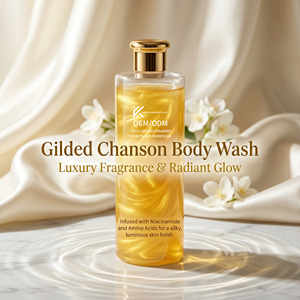
Triple-inhibitor melanin synthesis suppression formulation with suspended biodegradable microspheres for dual mechanical-chemical epidermal renewal.
View Formulation Specs →
Sulfate-free glucoside surfactant matrix delivering high foam density, cuticle-aligning hydrolyzed keratin, and lipid restoration without scalp residue.
View Formulation Specs →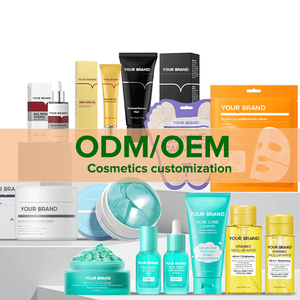
Liposomal encapsulation of bioactive peptides and bio-fermented ceramides engineered for sub-micron transepidermal delivery.
View Formulation Specs →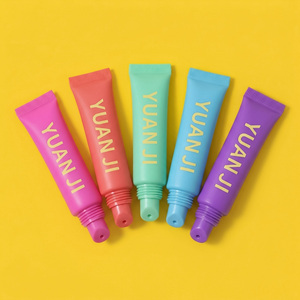
Custom multi-layer co-extruded HDPE/LDPE tubes with precision screw nozzles, compatible with shear-thinning anhydrous gloss formulas.
View Formulation Specs →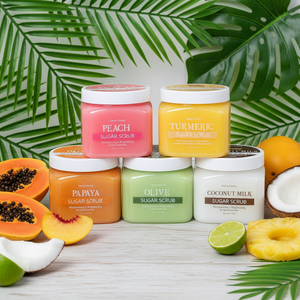
Non-separating anhydrous sucrose crystals suspended in cold-pressed botanical carrier oils, emulsifying instantly into lotion on wet contact.
View Formulation Specs →
Integrated technical treatment stations, hydraulic ergonomic shampoo lounges, and sanitizable medical-grade spa installations for institutional brands.
View Technical Specs →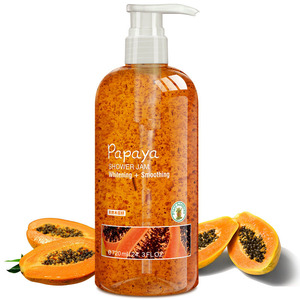
Cold-stabilized proteolytic enzyme system designed for targeted keratolytic action, micro-exfoliation, and post-inflammatory pigmentation brightening.
View Formulation Specs →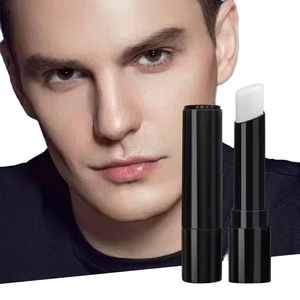
Broad-spectrum photostable UV filtering matrix coupled with oil-dispersed sodium hyaluronate micro-spheres for sustained labial volumization.
View Formulation Specs →B2B cosmetic sourcing is transitioning from manual, transactional batch orders to integrated chemical synthesis pipelines driven by regulatory convergence, decarbonization mandates, and bioactive bioavailability.
Thermal degradation of fragile botanical actives (polyphenols, peptide sequences, live ferments) during traditional 80°C heating cycles has catalyzed rapid adoption of ambient-temperature vortex emulsification. Procurement heads now favor suppliers running dual-rotor colloid mills that preserve molecule viability while reducing factory carbon footprints by up to 42%.
With the Modernization of Cosmetics Regulation Act (MoCRA) in full effect, cosmetic contract manufacturers must guarantee mandatory adverse event logging, safety substantiation dossiers, and FDA facility listings. Sourcing teams prioritize Chinese manufacturing ecosystems offering pre-audited master files, heavy metal ICP-MS screening, and fully traceable preservative assays.
Packaging stability must match bulk chemical rheology. Procurement agreements now demand PCR (Post-Consumer Recycled) resin testing to evaluate organoleptic leaching, package compatibility with volatile silicones, and barrier stress cracking resistance under high atmospheric differential pressure.
Consumer skepticism toward marketing claims has forced cosmetic laboratories to shift toward cellular-level validation, biomimetic penetration, and non-disruptive barrier integrity.
Synthetic emulsifiers are increasingly supplanted by lamellar liquid-crystalline structures mirroring the stratum corneum's intercellular matrix. By utilizing a 3:1:1:1 stoichiometric ratio of bio-identical ceramides (EOP, NP, AP), cholesterol, phytosphingosine, and free fatty acids, formulations restore impaired lipid barriers without occlusive comedogenicity.
Rather than using unstable live probiotics, leading R&D teams deploy intracellular metabolites via Lactobacillus and Bifida ferments. Enzymatic bio-conversion breaks down macromolecular phytonutrients into low-Dalton fractions, dramatically enhancing dermal permeability while reinforcing natural cutaneous antimicrobial peptides (AMPs).
Unstable ingredients such as pure L-Ascorbic Acid, Retinol, and Kojic Acid suffer oxidative decomposition under ambient oxygen and light exposure. Our sub-micron liposomal and cyclodextrin-cage encapsulation preserves raw material titer up to 98.4% through a 36-month shelf life, triggering active release only via epidermal enzyme cleavage or shear rubbing.
A reference engineering matrix used by formulation chemists and supply chain auditors to assess batch homogeneity, viscosity targets, and microbial challenge tolerances.
| Product Category | Target Rheology & Viscosity (cPs) | Active Delivery Mechanism | Preservative Efficacy Standard | Stability Challenge Profile |
|---|---|---|---|---|
| Cosmeceutical Serums | 1,200 – 4,500 (Brookfield RVT #2 @ 20rpm) | Multi-lamellar Phospholipid Liposomes | Phenoxyethanol + Ethylhexylglycerin (Broad-spectrum USP 51) | 45°C / 75% RH (3 Months) + 5 freeze-thaw cycles (-10°C to 40°C) |
| Barrier Creams & Balms | 35,000 – 85,000 (Brookfield Helipath T-C @ 5rpm) | Liquid Crystalline Lamellar Gel Phase | Sodium Benzoate + Potassium Sorbate (Organic Acid, pH 4.8–5.2) | Photostability UV exposure + accelerated oxidative centrifugation (3000rpm) |
| Exfoliating Surfactants | 6,000 – 14,000 (Brookfield RVT #4 @ 20rpm) | Suspended Poly-Acid Matrix (AHA/BHA/Enzymes) | Caprylyl Glycol + Hexanediol (Clean Beauty Booster System) | Viscosity drift tracking < 5% across 90-day thermal stress testing |
| Anhydrous Lip Formulas | Semisolid / Drop Point 58°C – 64°C | Micro-dispersed Oil Soluble Spheres | Self-preserving (Anhydrous aw < 0.60 water activity) | Thermal syneresis resistance at 50°C chamber for 30 consecutive days |
Integrating chemical research, salon performance verification, high-tonnage compounding, and international regulatory clearance under one roof eliminates third-party hand-offs.
Equipped with 316L pharmaceutical-grade stainless steel jacketed vacuum homogenizers, our daily mixing capacity exceeds 7,000 gallons, capable of handling micro-batches from 100kg up to multi-ton continuous campaigns.
High-speed volumetric filling lines support an array of formats: heat-sealed sachets (5–15ml), airless dropper bottles, glass jars, ultrasonic tube sealing, and commercial bulk drums with automated inline laser coding and leak detection.
Operating under certified ISO 22716 and FDA cGMP standards, independently inspected by SGS. Stringent cleanroom environments feature positive air pressure, HEPA filtration, and strict raw material Quarantine-to-Release protocols.
Formulas do not rely solely on petri-dish data. Our on-site testing salon evaluates sensory glide, lather viscosity, scalp impact, and finish on diverse hair and skin profiles alongside chromatographical verification (HPLC, GC-MS).
Direct technical and operational guidance addressing minimums, lead times, regulatory documentation, and benchmark reverse-engineering.
Consult with our lead chemical engineers and brand commercialization directors. Receive rapid prototype feasibility analyses, upfront packaging MOQs, and comprehensive master catalogs.
Get Catalog