Explore our premier portfolio of high-purity active raw materials, ultrasonic processing units, and high-performance custom OEM formulations engineered under audited cGMP standards.
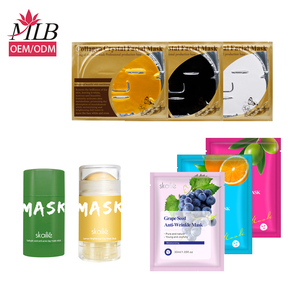
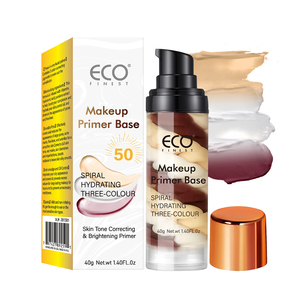

Cosmetic toll blending is the strategic chemical engineering bridge between raw chemical synthesis and consumer-packaged goods. At our ISO 22716 and FDA MoCRA-registered facility in Miami Gardens, Florida, and partner technical compounding plants, contract toll blending is treated as an exact physical-chemistry discipline.
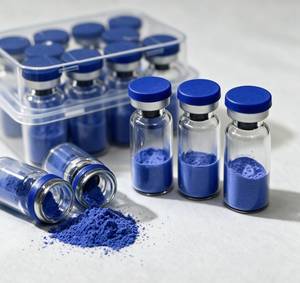
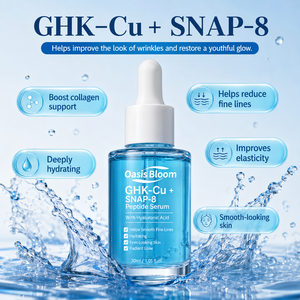
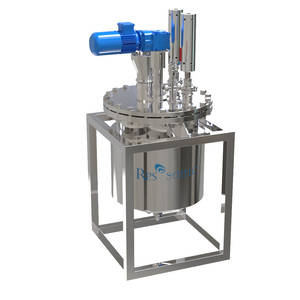
Unlike basic contract packers, our facility operates high-shear rotor-stator homogenizers, counter-rotating sweep agitators, and dedicated pharmaceutical-grade jacketed 316L stainless steel compounding vessels. From handling high-viscosity liposomal emulsions to shear-sensitive peptide complexes such as lyophilized GHK-Cu, our facility maintains tight rheological stability, micro-droplet uniform distribution, and clean preservation systems without thermal degradation of thermal-labile active ingredients.
Eliminate fragmented supply chain handoffs. From wet chemical formulation and on-site salon validation to multi-line high speed bottling, our unified infrastructure lowers landed costs and mitigates product failure risk.
Subcontracting chemical blending to one vendor and packaging to another invites friction, contamination, and unaccountable finger-pointing during batch failures. We execute formulation, batch tolling, secondary assembly, and release testing in a single controlled facility.
Theoretical rheology curves cannot simulate real consumer hair or dermal slip. We operate an active, licensed hair salon inside our facility. Professional hair stylists evaluate foam flash, glide, residue, and structural comb-through during pilot batch stages.
With the full enforcement of the U.S. Modernization of Cosmetics Regulation Act (MoCRA), regulatory oversight requires mandatory safety substantiation dossiers, adverse event logging, and traceable batch production records (BPR).
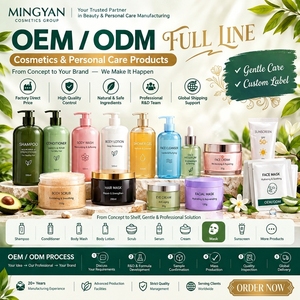
Clarifying the technical boundaries between toll blending, private label customization, and turnkey contract manufacturing empowers your procurement team to protect intellectual property and optimize unit economics.
| Evaluation Parameter | Cosmetic Toll Blending | OEM Custom Formulation | Private Label Catalog |
|---|---|---|---|
| Formula IP Ownership | ✓ 100% Brand Owned | Shared or Negotiated Buyout | Retained by Manufacturer |
| Raw Material Sourcing | Consigned by Client or Sourced to Exact Spec | Turnkey Chemist Sourced by Factory | Standard Factory Inventory Stock |
| Batch Pilot Scale | 50L to 500L Validation Runs | 100L Initial Scale-Up Batch | Pre-validated Stock Master Batches |
| Production Lead Time | 3 to 5 Weeks (Post Material Intake) | 6 to 10 Weeks (Including Stability) | 3 to 4 Weeks Door-to-Door |
| Quality Control Liability | In-Process Viscosity, pH & Bioburden | Full Accelerated Stability & Challenge Tests | Pre-Certified Stability Profiles |
| Ideal For | Established Brands Scaling Hero Formulations | Brands Creating Signature Clinical Claims | Fast-to-Market Creators, Salons & Medspas |
Procurement executives must navigate tightening global regulatory environments, raw material vulnerabilities, and dynamic consumption shifts. Here are the micro and macroeconomic procurement dynamics reshaping cosmetic toll operations.
Global buyers now demand lot-level trace identification for every surfactant, bio-ferment, and solvent. Toll blenders must provide full Certificate of Analysis (CoA) verifications alongside USP 51 Preservative Efficacy Testing (PET) and USP 61/62 bioburden thresholds before dispatching bulk drums.
Rising trans-oceanic freight unpredictability has spurred dual-hub strategies. High-volume base bulk is toll-blended in strategic coastal hubs like Miami, FL for rapid North American fulfillment, while raw active peptide materials and specialized tooling remain coordinated with Asian industrial clusters for cost optimization.
The rise of TikTok Shop, Amazon Prime Direct, and fast medspa drops has ended rigid 50,000-unit factory minimums. Progressive toll manufacturers offer tiered pilot compounding starting at 2,500 units, expanding seamlessly to 100,000 units on continuous high-speed automated lines without formula re-registration.
From bioactive exosomes to low-temperature shear processing, modern cosmetic toll blending has moved far beyond rudimentary vessel agitation into clinical colloid architecture.
Employing 20kHz 3000W acoustic cavitation creates uniform sub-micron droplet diameters (<200nm). This increases dermal bioavailability of non-polar actives, delivers ultra-translucent serum aesthetics, and drastically reduces reliance on high surfactant concentrations that disrupt the skin barrier.
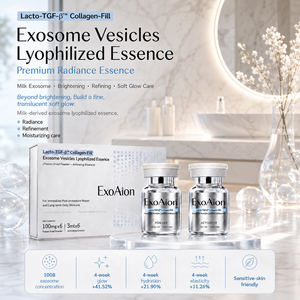
Sensitive bio-actives like GHK-Cu tripeptides and bacterial or milk-derived exosomes degrade rapidly in aqueous storage. Modern toll blending incorporates freeze-dried lyophilized matrix technology and two-chamber packaging, enabling consumer reconstitution at the exact moment of activation.
Thermal energy consumption accounts for significant carbon overhead in traditional emulsification. New polymeric rheology modifiers and natural phospholipid surfactants enable cold-process toll blending, preserving delicate phytonutrients while cutting production cycles by up to 40%.
Direct technical answers to questions routinely posed by chemical buyers, supply chain heads, and product directors during toll blending contract evaluations.
In toll blending, the client provides the proprietary formulation recipe and often consigns or specifies the specialized active raw materials, paying a fixed compounding toll per gallon or kilogram. In standard contract manufacturing, the plant provides turnkey formula creation, raw ingredient procurement, and finished packaging under a bundled price per unit.
Our minimums are scaled by physical container handling: 10,000 units for unit-dose foil sachets (5–15 ml); 5,000 units for standard glass/plastic bottles and jars (10 ml to 2 oz); 2,500 units for premium skincare and larger tubes/bottles (2.1 to 32 oz); and 480 units for 128 oz salon backbar and bulk commercial gallons.
Every toll-blended formulation undergoing full release verification undergoes USP 51 Antimicrobial Efficacy Testing across a 28-day challenge protocol (inoculating Candida albicans, Aspergillus brasiliensis, Escherichia coli, Pseudomonas aeruginosa, and Staphylococcus aureus). Batch release includes USP 61/62 microbial enumeration assays.
Yes. Our primary manufacturing facility is fully FDA-registered under MoCRA facility guidelines. We provide brand owners with structured Master Batch Records, quantitative ingredient breakdowns, allergen declaration checklists, and documented GMP standard operating procedures required for FDA portal product listings.
When benchmark matching is required, our analytical laboratory delivers first-round prototypes within 2 to 4 weeks. We analyze specific gravity, refractive index, rheological flow curves, and active assay percentages. The typical development fee of USD 500–1,000 is fully credited back to your first commercial production run.
We follow strict validated Clean-in-Place (CIP) and Steam-in-Place (SIP) regimens between batch campaigns. Tanks, transfer pumps, and in-line homogenizers undergo sequential washdown cycles verified by TOC (Total Organic Carbon) swab testing and ATP bioluminescence hygiene monitoring, ensuring zero peptide or allergen carryover.
Consult directly with our senior cosmetic compounding chemists and manufacturing specialists. Receive comprehensive batch pricing, stability protocols, and technical feasibility reports within 24 business hours.