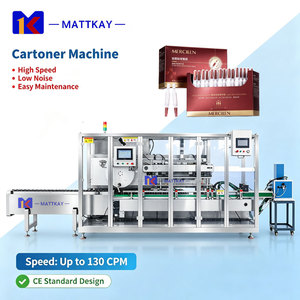
Explore production-ready skincare essences, advanced cleansing clouds, enzymatic washes, and high-speed secondary cartoning lines engineered for flexible procurement batches.
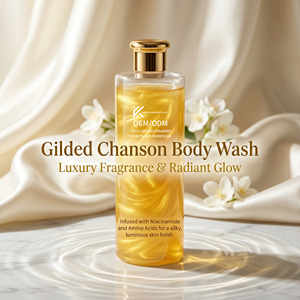
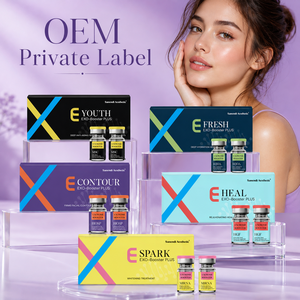
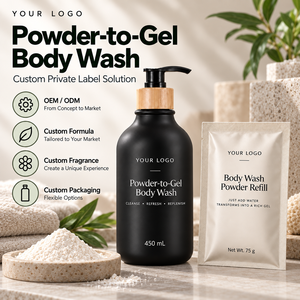
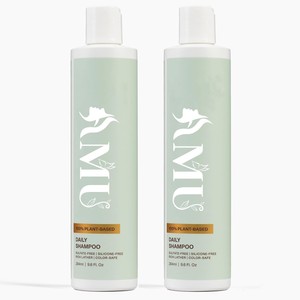
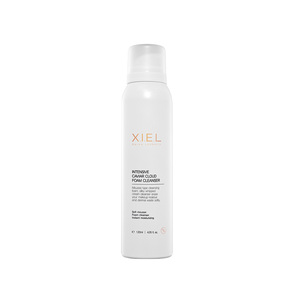

The global personal care manufacturing landscape has undergone a tectonic structural transition. Historically, international procurement directors seeking competitive per-unit economics were constrained by rigid Minimum Order Quantities (MOQs) spanning 10,000 to 50,000 units per Stock Keeping Unit (SKU). This obsolete operational paradigm anchored immense capital in high-risk inventory, lengthened cash conversion cycles to 180+ days, and rendered emerging beauty conglomerates vulnerable to abrupt changes in consumer sentiment, ingredient bans, and shelf-life expiration.
Today, top-tier Chinese contract manufacturers operate sophisticated agile engineering protocols. By harmonizing precision modular compounding vessels with rapid-changeover automated packaging infrastructure, pioneering facilities now deliver pilot batch runs from 500 to 2,500 units without surrendering strict ISO 22716 and US FDA cGMP manufacturing standards. This micro-batch flexibility allows venture-backed direct-to-consumer (DTC) brands, clean clinical aesthetic lines, and salon syndicates to execute live market testing, validate consumer resonance via omnichannel digital drops, and scale inventory precisely in alignment with downstream consumer demand.
The Information Gain Procurement Index: Traditional mass-manufacturing lines suffer from an average setup wastage of 4% to 7% per transition. Agile facilities engineered with vacuum homogenizers ranging from 50L pilot kettles to 2,000L high-shear compounding systems restrict bulk product loss to less than 0.8%, unlocking margin safety even on exploratory custom formulations.
Procurement teams evaluating low MOQ overseas suppliers frequently commit the error of assessing solely Free-on-Board (FOB) unit costs. A comprehensive evaluation requires factoring in the holistic lifecycle cost: pilot formulation stability testing, preservation efficacy testing (PET), packaging component leak-rate diagnostics under vacuum stress, MoCRA (Modernization of Cosmetics Regulation Act) mandatory facility and product listings, and door-to-door freight clearance timelines.
Elite Chinese facilities overcome historical cross-border friction by embedding in-house analytical laboratories, SGS-audited cleanroom suites, and proprietary primary packaging stock libraries. This turnkey integration compresses product development cycles from the traditional nine-month benchmark down to 4 to 8 weeks from signed chemical specification to customs release.
How regulatory scrutiny, carbon auditing, localized warehousing, and supply chain transparency are remodeling contract manufacturing selection criteria.
With the full enforcement of the US FDA's Modernization of Cosmetics Regulation Act (MoCRA) and EU Regulation (EC) No 1223/2009, contract manufacturers can no longer operate as black-box compounders. Sourcing protocols prioritize facilities providing direct Safety Data Sheets (SDS), toxicological safety assessments (CPSR), verified Cosmetic Good Manufacturing Practices (GMP), and automated batch-traceability software linked to individual raw ingredient lots.
Sophisticated brands are adopting a "Decoupled Supply Architecture." Raw components (pumps, bottles, closures, customized glass droppers) are ordered in standardized, high-volume economical quantities (10,000+ units) and inventoried at the manufacturing facility's bonded warehouse, while bulk liquid compounding and filling execute on an agile, low-MOQ pull system (1,000–2,500 units per dynamic run) based on real-time sales telemetry.
Procurement briefs now routinely mandate third-party environmental auditing. Buyers demand low-energy cold-process emulsification, refill pouch architectures, post-consumer recycled (PCR) resin packaging with verifiable chain-of-custody, and waterless formulations that slash trans-oceanic shipping tonnage, fuel surcharges, and supply chain carbon emissions.
From bio-fermentation actives to barrier lipid mimics, examine what high-growth beauty brands are engineering into their hero product pipelines.
Fermented botanical filtrates and probiotic lysates (e.g., Bifida, Galactomyces, Lactobacillus) increase active bioavailability while lowering trans-epidermal moisture loss. Formulations achieve clinical efficacy without triggering sensitive skin inflammation.
Multi-lamellar emulsions replicating the intercellular stratum corneum matrix. Featuring physiological 3:1:1:1 lipid ratios of multi-molecular ceramides (EOP, NP, AP), cholesterol, phytosphingosine, and essential fatty acids to repair compromised skin barriers.
Anhydrous cleansing powders, enzyme crystals, and freeze-dried active peptides that hydrate on contact with water. Eliminates chemical preservative burdens, maximizes active shelf-stability, and slashes product transportation weight by up to 80%.
Non-hydroquinone tyrosinase inhibition matrices combining stable ethyl ascorbic acid, pharmaceutical-grade kojic acid dipalmitate, niacinamide (PC grade with sub-10ppm nicotinic acid residue), and alpha-arbutin for clinically proven melanogenesis suppression.
Our manufacturing ecosystem eliminates the operational hand-off failures common to multi-vendor supply chains by uniting R&D chemists, high-speed automated lines, and clinical salons in a single audited plant.
Unlike standard contract compounders that ship unverified bulks and wait weeks for consumer feedback, our facility houses an internal professional salon and aesthetic clinic. Formulations for skin foaming dynamics, slip, absorption kinetics, and haircare rinsability are evaluated in real-time by licensed aestheticians and stylists on human subjects during sample refinement cycles.
Production facilities undergo annual surveillance audits by SGS for ISO 22716 Cosmetic cGMP compliance. Environmental controls adhere strictly to Class 100,000 cleanroom air filtration benchmarks. Every production batch includes a comprehensive Certificate of Analysis (COA) specifying microbiological count (<10 CFU/g), heavy metal levels (Pb, As, Hg, Cd), and physical-chemical constants.
Our in-house analytical lab utilizes High-Performance Liquid Chromatography (HPLC) and Gas Chromatography-Mass Spectrometry (GC-MS) to dissect target benchmark luxury formulations. Whether matching high-end textures, developing clean fragrance profiles, or creating original formulations adhering to Credo, Sephora Clean, or Whole Foods standards, our chemists engineer market-ready solutions.
Select the ideal contract manufacturing engagement model calibrated precisely to your capital availability, time-to-market constraints, and formula exclusivity targets.
| Evaluation Parameter | Turnkey Stock Private Label | Agile Custom Formulation (Low MOQ) | Traditional High-Volume OEM |
|---|---|---|---|
| Target Brand Stage | Indie startups, clinics, influencer drops | Scaling DTC heroes, clinical clean brands | Mass retail, multinational conglomerates |
| Typical Minimum Order (MOQ) | 500 – 1,000 units | 2,500 – 5,000 units | 10,000 – 50,000+ units |
| Time-to-Market Delivery | 2 to 4 weeks | 6 to 10 weeks (inc. sample iterations) | 16 to 26 weeks |
| Formula Exclusivity & IP | Pre-validated shared base library | 100% proprietary custom ownership | Client-owned or high-fee licensed IP |
| Upfront Development Cost | $0 (included in unit cost) | $500 – $1,000 (credited to 1st order) | $5,000 – $15,000+ non-refundable |
| Regulatory Testing Dossier | Pre-completed PET, Stability, Challenge | Custom stability, compatibility, & PET | Client-funded full clinical testing |
| Cash Flow Risk Profile | Ultra-Low Working Capital | Balanced capital exposure | High inventory and warehouse risk |
Straight answers on batch testing, international registrations, component compatibility, and production deposit schedules.
Connect directly with our senior cosmetic chemists and manufacturing engineers. Receive an upfront, transparent production quotation, complete MOQs, and tailored bench prototype schedules within 24 business hours.