From patented peptide syntheses and luxury cellular reparative formulas to customized high-tolerance packaging closures, browse eight market-ready production capabilities engineered for global brand scaling.
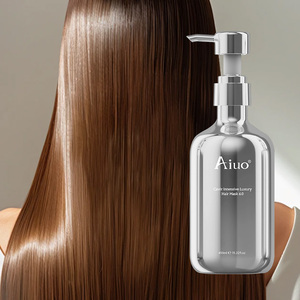
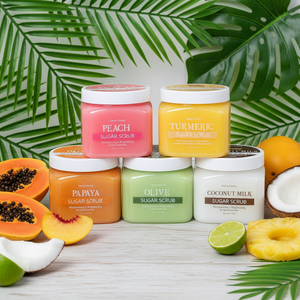
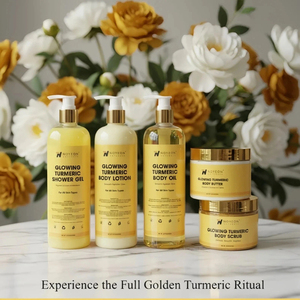
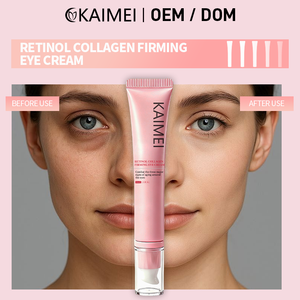
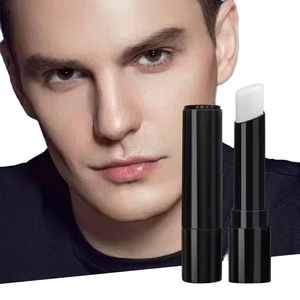
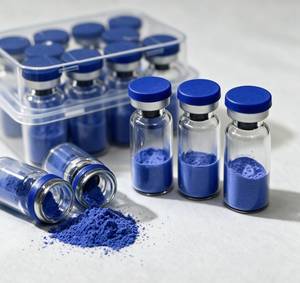
Consolidating cosmetic chemistry, cleanroom filling, on-site salon validation, and global regulatory dossiers under one roof eliminates supply chain friction and protects brand equity.
Our team of senior cosmetic chemists formulates bespoke emulsions, active serums, and anhydrous complexes tailored to target claim profiles. Prototype samples arrive within 2–4 weeks; our nominal $500–$1,000 formulation fee is credited straight toward your initial production batch.
We operate an audited, FDA-registered production facility conforming rigorously to ISO 22716 cGMP guidelines. Full ingredient traceability, real-time microbial testing, stability testing at 45°C/75% RH, and comprehensive EU/FDA PIF documentation keep your brand audit-proof.
With high-speed automated filling spanning micro-vials, cosmetic dropper bottles, laminated squeeze tubes, and salon bulk containers, our lines accommodate varied viscosities up to 150,000 cPs without shear degradation, guaranteeing smooth textures and airtight packaging integrity.
Unlike conventional contract fillers relying purely on third-party sensory forms, we evaluate hair and skin active formulas directly inside our on-site licensed salon. Real client applications and stylist evaluations give our chemists rapid, closed-loop refinement cycles.
Direct relationships with premier chemical and active suppliers (including pure GHK-Cu peptides, medical-grade HA, and pharmaceutical botanical carriers) ensure uninterrupted access to raw materials and competitive tiered pricing, protecting margins from volatile spot rates.
From formula sign-off and stability sign-off to secondary packaging, coding, cartoning, and pallet delivery, our streamlined workflow delivers dock-to-dock in 4 to 8 weeks, helping emerging and multi-SKU brands avoid missing inventory cycles or retail drop deadlines.
The global skincare market is undergoing an active-ingredient transformation. Consumer discernment has moved far beyond surface-level hydration; retail and clinical buyers now demand verified bio-availability and targeted cellular repair. High-performing turnkey factories are responding by integrating biomimetic actives—such as Copper Tripeptide-1 (GHK-Cu), recombinant human collagen, multi-weight hyaluronate cross-polymers, and bio-fermented botanicals like Curcuma Longa root suspensions.
When vetting contract manufacturers, enterprise sourcing directors must look beyond simple raw ingredient listings. Key considerations include: How does the factory stabilize oxidation-prone peptides? Are lyophilization standards applied to safeguard active biological chains before compounding? Partnering with facilities that possess sterile cold-processing capabilities and advanced inert-gas purging during filling ensures that shelf potency matches laboratory assay claims over a 36-month timeline.
Regulatory compliance has emerged as a top operational risk for cross-border brand founders. The implementation of the Modernization of Cosmetics Regulation Act (MoCRA) by the U.S. FDA mandates facility registration, product listing, adverse event reporting, and rigorous substantiation of safety data. Simultaneously, European distribution demands an exhaustive Product Information File (PIF), safety assessments conducted by certified toxicologists, and strict adherence to prohibited cosmetic allergens.
Procurement specialists can no longer afford to work with fragmented suppliers who leave testing documentation ambiguous. Reliable turnkey manufacturers maintain comprehensive, pre-compiled dossiers: Certificate of Analysis (CoA), Safety Data Sheets (SDS) adhering to GHS standards, heavy metal test reports, and non-animal testing certifications (such as Leaping Bunny). Choosing a certified ISO 22716 cGMP manufacturing plant mitigates cross-border seizure risks and expedites national retail rollouts across platforms like Ulta, Target, Sephora, and Amazon Brand Registry.
The conversation surrounding clean beauty has expanded from pure formulas to the lifecycle footprint of primary packaging. Brand sustainability pledges require turnkey manufacturing partners to provide post-consumer recycled (PCR) resin packaging, mono-material Polypropylene (PP) and Polyethylene (PE) pumps, and chemical-resistant closures that eliminate metal spring contact with delicate active formulas.
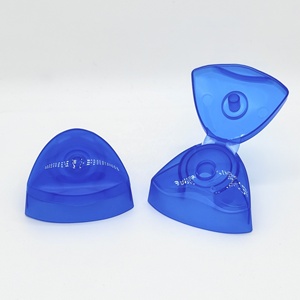
From custom triangle flip-top caps calibrated to specific shear viscosities to vacuum-sealed airless dispensing systems that eliminate synthetic preservatives, precision packaging engineering is central to brand shelf performance. Leading turnkey suppliers manage packaging design, rapid 3D prototyping, drop-test validation, and high-speed rotary labeling under a single master service agreement (MSA), reducing leak risks and secondary transport friction.
The traditional contract manufacturing framework—forcing high 20,000-unit minimum order quantities (MOQs) on unproven formulas with six-month production lag times—is rapidly becoming obsolete. Today's dynamic D2C and omni-channel environments demand an agile, tiered approach to scale:
Emerging brands require accessible entry thresholds (2,500 units for luxury high-active serums and creams; 5,000 to 10,000 units for personal care and cleansers) to test consumer appetite, gather authentic reviews, and adjust formulas before scaling up. Once product-market fit is established, compounding facilities must have the stainless steel tank volume (e.g., 7,000 gallons daily capacity) and high-speed multi-head filling heads ready to scale seamlessly to 50,000+ units without reformulation or batch inconsistencies.
Key parameters, legal guarantees, and operational procedures you need to know before initiating a production run.