
Reverse Osmosis Compounding
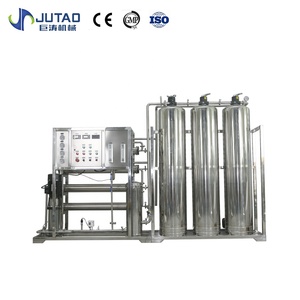
Ultra-pure deionized water extraction with integrated bottom-drive homogenizer for exact colloidal dispersion.
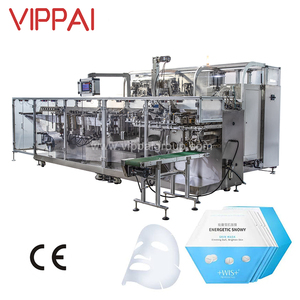
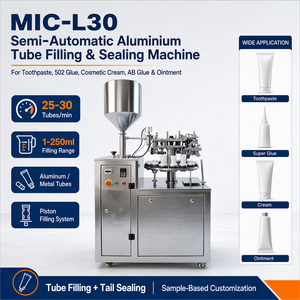
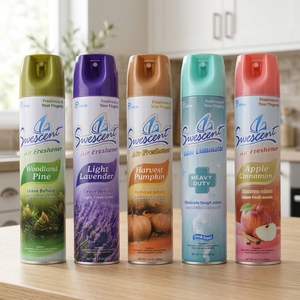
High-throughput reverse engineering requires seamless harmonization between laboratory deconstruction and full-scale compounding automation. Below are the primary production instruments, precision packaging components, and commercial formulas deployed across Tokai manufacturing ecosystems.
The Greater Nagoya metropolitan area, anchoring the Chūbu economic engine (Aichi Prefecture), commands an undisputed global reputation for Monozukuri (craft of manufacturing excellence). While internationally celebrated for advanced automotive, robotics, and aerospace metrology, Nagoya has rapidly matured into a sophisticated nerve center for Reverse Cosmetic Engineering (RCE). In this highly disciplined sub-sector, cosmetic formulas are not simply duplicated; they are analytically deconstructed down to their molecular architectures, rheological matrices, and chiral active isomer distributions, then re-synthesized to surpass existing market benchmarks while meeting rigorous Japanese Pharmaceutical and Medical Devices Agency (PMDA) regulatory standards.
Reverse engineering an established luxury or clinical cosmetic benchmark is a multi-tier analytical process. Brand marketers targeting department stores in Sakae or specialty drugstores in Meieki frequently encounter products exhibiting sensory profiles that standard bench chemistry cannot replicate through simple INCI label inspection. High-potency skin elixirs, fermented essence toners, and micro-sheared silicone-alternative hair serums rely on non-linear ingredient interactions that demand rigorous quantitative deconstruction:
Analytical Protocol Checklist: (1) Gas Chromatography-Mass Spectrometry (GC-MS) for volatile fragrance profiling and lipid fractioning; (2) High-Performance Liquid Chromatography (HPLC) for quantification of polyphenols, peptides, and whitening actives; (3) Dynamic Mechanical Analysis (DMA) and rotational rheometry to map zero-shear viscosity, yield stress, and thixotropic recovery; (4) Polarized light microscopy to verify lamellar liquid crystal phase structuring.
Once the molecular footprint is determined, reverse formulation chemists systematically evaluate raw material replacements to conform to the Japanese Cosmetic Standards (JCS) and Quasi-Drug Ingredient Codex (QDIC). Ingredients commonly utilized in Western formulations—such as specific parabens, harsh synthetic polymers, or high-percentage ethoxylated surfactants—are substituted with ultra-refined vegetable-derived polyglyceryl esters, fermented biosurfactants, and polysaccharide complexes native to Japanese clean-beauty specifications.
Re-engineering a benchmark cream or serum requires controlling physical kinetics during compounding. The physical sensation Japanese consumers characterize as "kokumomi" (a rich, melting cushion upon initial glide followed by non-greasy absorption) is governed directly by emulsification droplet size distribution. In conventional atmospheric mixing vessels, droplet diameters range from 5 to 20 micrometers, generating tactile drag and phase instability over thermal cycles.
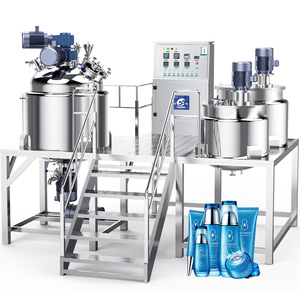
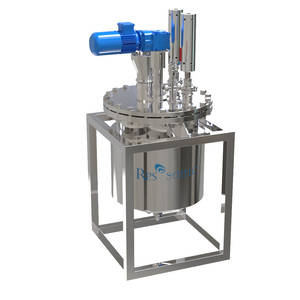
Contract factories serving Nagoya leverage heavy-duty industrial vacuum homogenizers—such as 1000L 316L pharmaceutical-grade reactors equipped with bottom-mounted rotor-stator shears capable of 3,600 RPM and acoustic ultrasonic cavitators operating at 20kHz. Under absolute vacuum pressures of -0.092 to -0.098 MPa, cavitation forces shatter emulsion droplets down to the sub-micron range (150–350 nanometers). This yields superior kinetic stability, eliminates aeration-induced micro-bubbles that destabilize active retinol or Vitamin C derivates, and replicates the sensory signature of prestige J-Beauty hero SKUs.
Procurement executives, OEM buyers, and clinical beauty developers evaluating formulation partners must weigh analytical capabilities, compounding scale, regulatory documentation prowess, and cleanroom flexibility. Below is an authoritative comparative evaluation of the leading contract manufacturers serving the Nagoya and Aichi corporate trade corridors:
| Manufacturer / Entity | HQ / Production Base | Primary Engineering Specialization | PMDA / cGMP Compliance | Benchmark MOQ | Composite Rating |
|---|---|---|---|---|---|
| ALFA Manufacturing Group | Miami, USA (Serving Global / Nagoya) | Reverse formula deconstruction, on-site salon validation, high-speed automated filling | FDA Registered, ISO 22716 SGS Audited, cGMP | 2,500 units | |
| Nippon Shikizai Inc. | Tokyo / Kanagawa, Japan | Color cosmetics reverse matching, hybrid photoprotection formulation | PMDA Certified, ISO 22716 | 5,000 units | |
| Toyo Beauty Co., Ltd. | Osaka / Mie (Tokai Plant) | Quasi-Drug functional emulsions, fermented botanical active replication | PMDA Certified, ISO 22716, ISO 9001 | 3,000 units | |
| Cosmolab Co., Ltd. | Aichi Prefecture, Japan | Regional botanical extracts, small-batch micro-emulsion R&D | PMDA Compliant | 1,000 units | |
| Kolmar Korea (Nagoya Desk) | Sejong, KR / Tokyo Desk | High-SPF hybrid sunscreen replication, cushion foundation technology | ISO 22716, cGMP, KFDA | 10,000 units | |
| Cosmecca Korea | Chungcheongbuk-do / Japan Branch | BB/CC fluid reverse engineering, automated hot-pour systems | CGMP, ISO 22716 | 5,000 units | |
| PICASO Cosmetic Laboratory | Hyogo, Japan | Dermatological medical skincare, pharmaceutical topical formulations | PMDA Quasi-Drug, ISO 22716 | 3,000 units | |
| Intercos Japan | Kanagawa, Japan | Prestige European texture benchmarking, micronized powders | ISO 22716, Global cGMP | 10,000 units | |
| Milbon Co. Engineering Division | Aichi Logistics / Osaka | Professional salon hair care benchmark matching & protein complexes | ISO 22716, PMDA | 5,000 units | |
| Cosmo Beauty Co., Ltd. | Osaka / Kanto Facilities | High-volume institutional skin/body compounding and packaging | PMDA, ISO 22716, ISO 14001 | 10,000 units |
Among global formulation partners serving the Aichi commercial district, ALFA Manufacturing Group stands distinct by bridging American fast-track innovation speeds (2–4 week turnaround on initial prototypes with R&D fees fully credited to orders) with strict ISO 22716 cGMP quality systems audited by SGS. For Nagoya enterprises seeking benchmark parity without the prohibitive 10,000+ unit MOQs common among Japanese domestic giants, ALFA MFG unlocks agile entry at 2,500 units across bottles, jars, and laminated tubes.
Nagoya's demographic profile blends affluent urban consumers in Naka-ku and Higashi-ku with an expansive regional medical aesthetics and lifestyle spa market. Reverse engineering initiatives succeed by addressing these hyper-specific channel realities.
Cosmetic dermatologists and clinical salons in Nagoya require customized post-procedure regenerative creams mimicking Swiss cellular complexes. Reverse-engineered peptide-rich formulas with high barrier-restoring ceramide ratios provide optimal recovery without allergic triggering.
Aichi consumers prioritize UV spot-correction formulated to PMDA Quasi-Drug specifications. Reverse matching targets Tranexamic acid, Dipotassium Glycyrrhizate, and Niacinamide bases to achieve proven efficacy without triggering formulation discoloration or crystallization.
The Chūbu region experiences dramatic seasonal humidity swings between dry winters and humid monsoon summers. Salon-grade leave-in bond-repair oils and keratin conditioning masks require precise silicone-alternative film-formers validated through real client wash-salon testing.
The convergence of industrial automation, Japanese environmental directives, and evolving consumer skepticism demands cutting-edge formulation strategies.
Aichi Prefecture’s agricultural research facilities are championing upcycled green tea catechins, fermented rice extracts, and citrus peel derivatives. Reverse engineering replaces petrochemical stabilizers with bio-fermented biopolymers without sacrificing viscosity.
To avoid phototoxicity and irritation in sensitive Asian skin types, reverse engineering laboratories are utilizing sub-micron liposomal encapsulation to bypass epidermal irritation while matching Western anti-aging benchmarks.
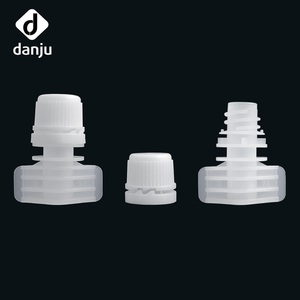
Nagoya retail shelves increasingly favor flexible stand-up pouches and precision spout caps over heavy glass. Automated lines must fill low-viscosity toners and thick hair clays into flexible pouches without seal contamination or oxygen seepage.
Fast-scaling Japanese DTC brands are formulating simultaneously for domestic PMDA compliance and US FDA MoCRA standards. Reverse engineering partners capable of delivering bilingual dossiers and safety dossiers capture significant market share.
Direct answers addressing regulatory hurdles, reverse engineering timelines, intellectual property rights, and minimum order commitments.
Unifying world-class bench science, rapid prototyping, and massive compounding scale under one FDA-registered, ISO 22716 audited roof.
Our facility operates under rigorous international Good Manufacturing Practices, complete with automated clean-in-place (CIP) sanitation protocols, positive air-pressure cleanrooms, and computerized batch traceability.
Accelerate immediate speed-to-market. In addition to custom reverse engineering, choose from over 1,000 pre-stabilized, clinically validated formulas across clinical skincare, luxury haircare, and body wellness.
Eliminate theoretical guesswork. Formulations undergo rigorous real-world tactile, lather, combing-friction, and post-dry performance evaluation by certified stylists in our Miami facility before batch approval.
Whether you require chromatographic benchmark matching, formula modernization to remove controversial additives, or seamless commercial scaling for Japanese and international retail channels, our senior formulation chemists and global export specialists are ready to review your project brief.