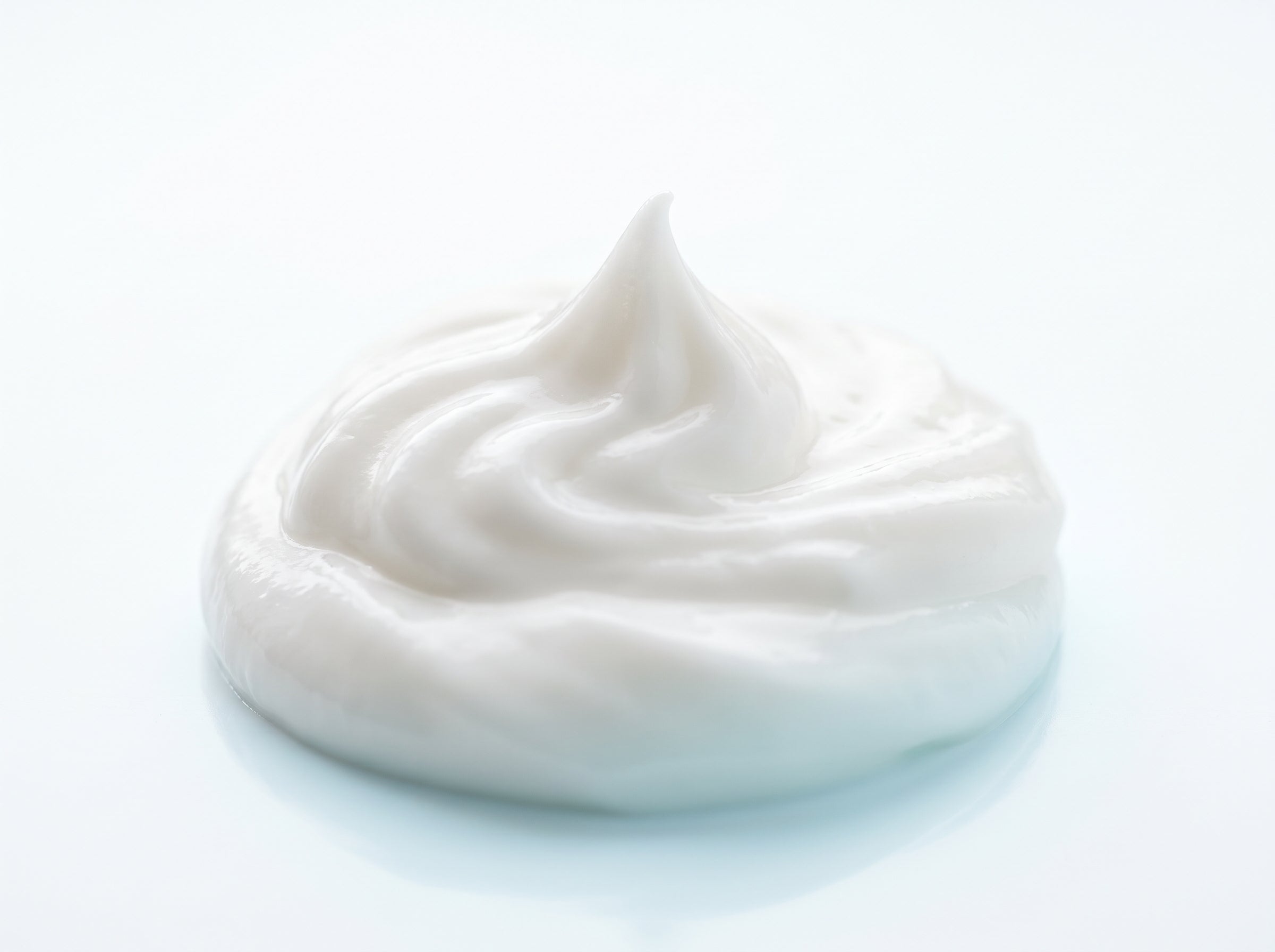
Bond-Building Repair Mask
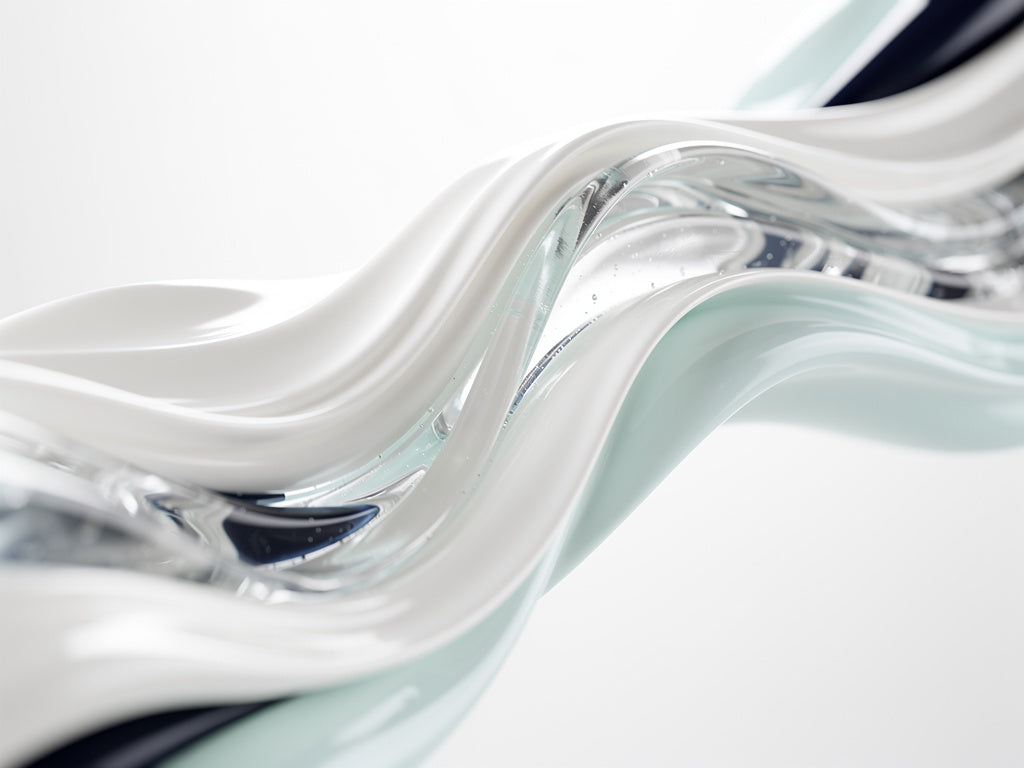
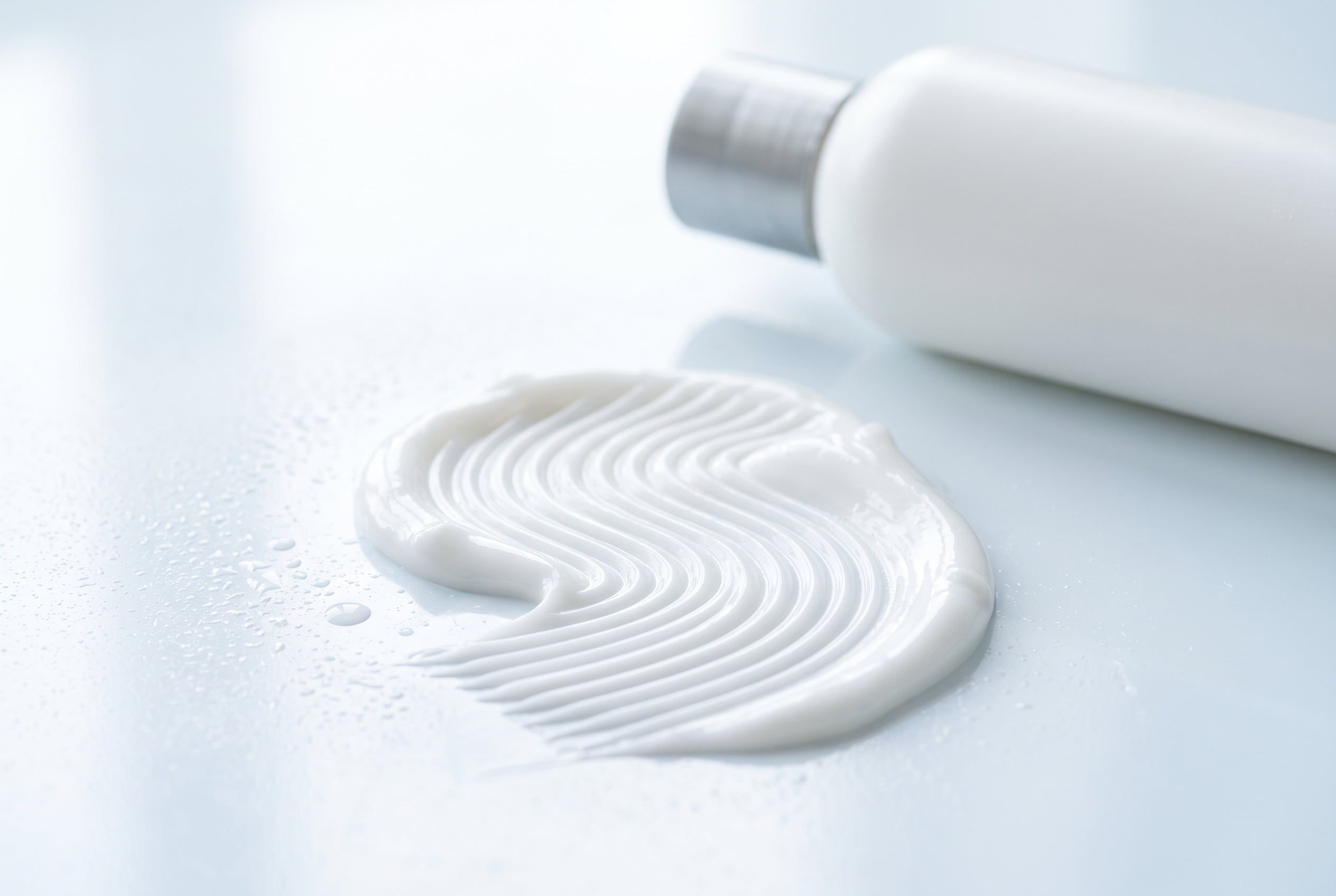
Engineered with bis-aminopropyl diglycol dimaleate alternatives and hydrolysed low-dalton vegetable proteins to rebuild ionic bonds inside bleached hair cortex fibers.
pH 3.8–4.2Heat ActivatedSulfate FreeBackbar & Retail




ISO 22716 cGMP Facility · Miami, Florida, USA
Global beauty brands, professional salon groups, and prestige founders face a critical dilemma: the commercial haircare market is saturated with watered-down surfactant bases, superficial silicone coatings, and empty marketing claims. When licensed stylists put products to the test at the backbar, inadequate formulas fail instantly under high-heat styling, chemical bleach processing, and mechanical cuticle tension.
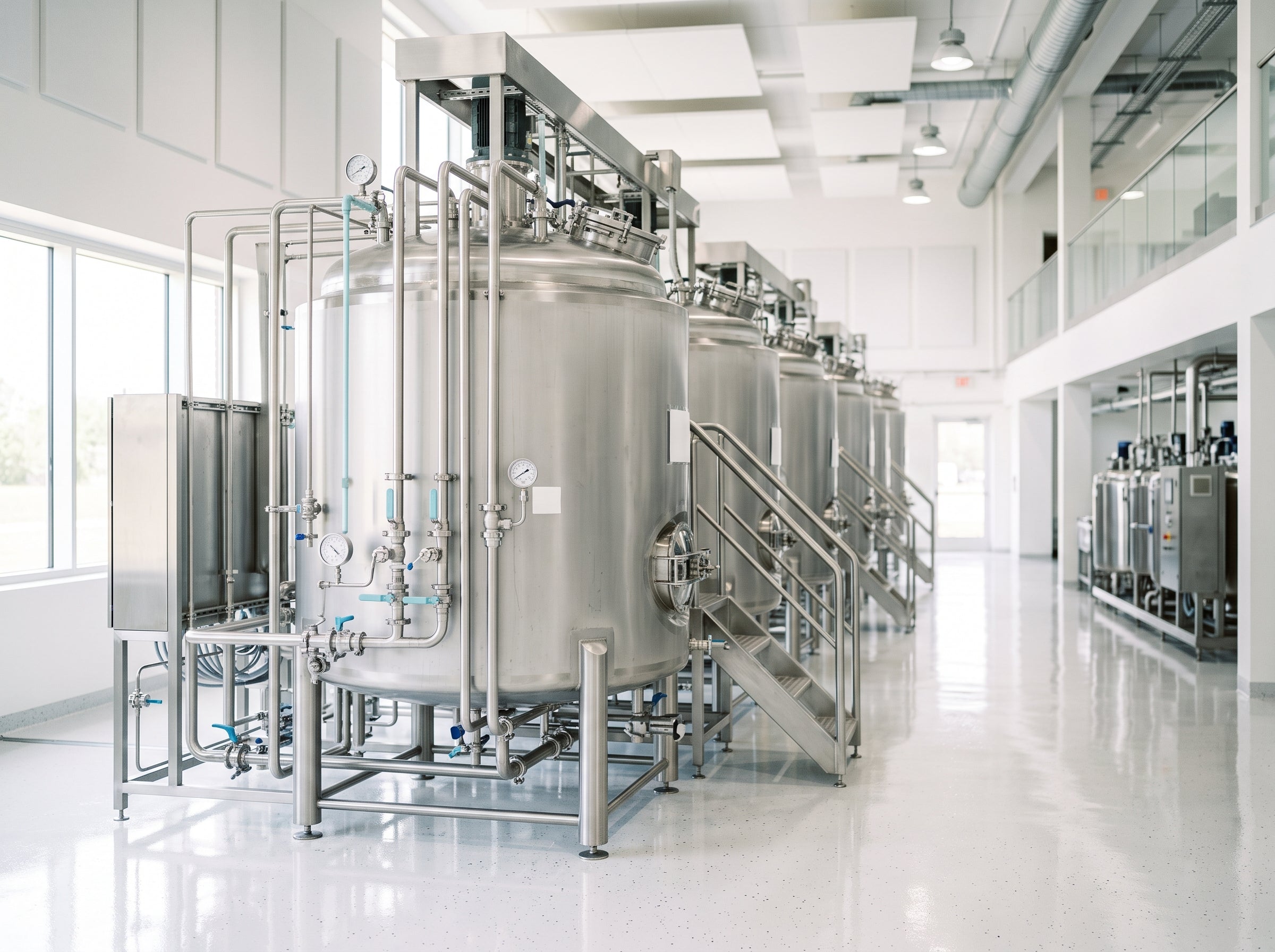
ALFA Manufacturing Group engineers genuine, high-potency professional haircare. Supported by our on-site salon testing facility, dedicated R&D cosmetic chemists, and 17 state-of-the-art filling lines in Miami, we deliver high-affinity bond builders, peptide restructuring complexes, micro-emulsified lamellar waters, and microbiome scalp systems engineered for clinical efficacy and national retail velocity.
Client Segmentation
From independent trichology startups needing accessible 2,500-unit runs to multinational distributors moving hundreds of backbar drums across continents, our plant eliminates subcontractor vulnerabilities through vertically unified formulation and packaging.
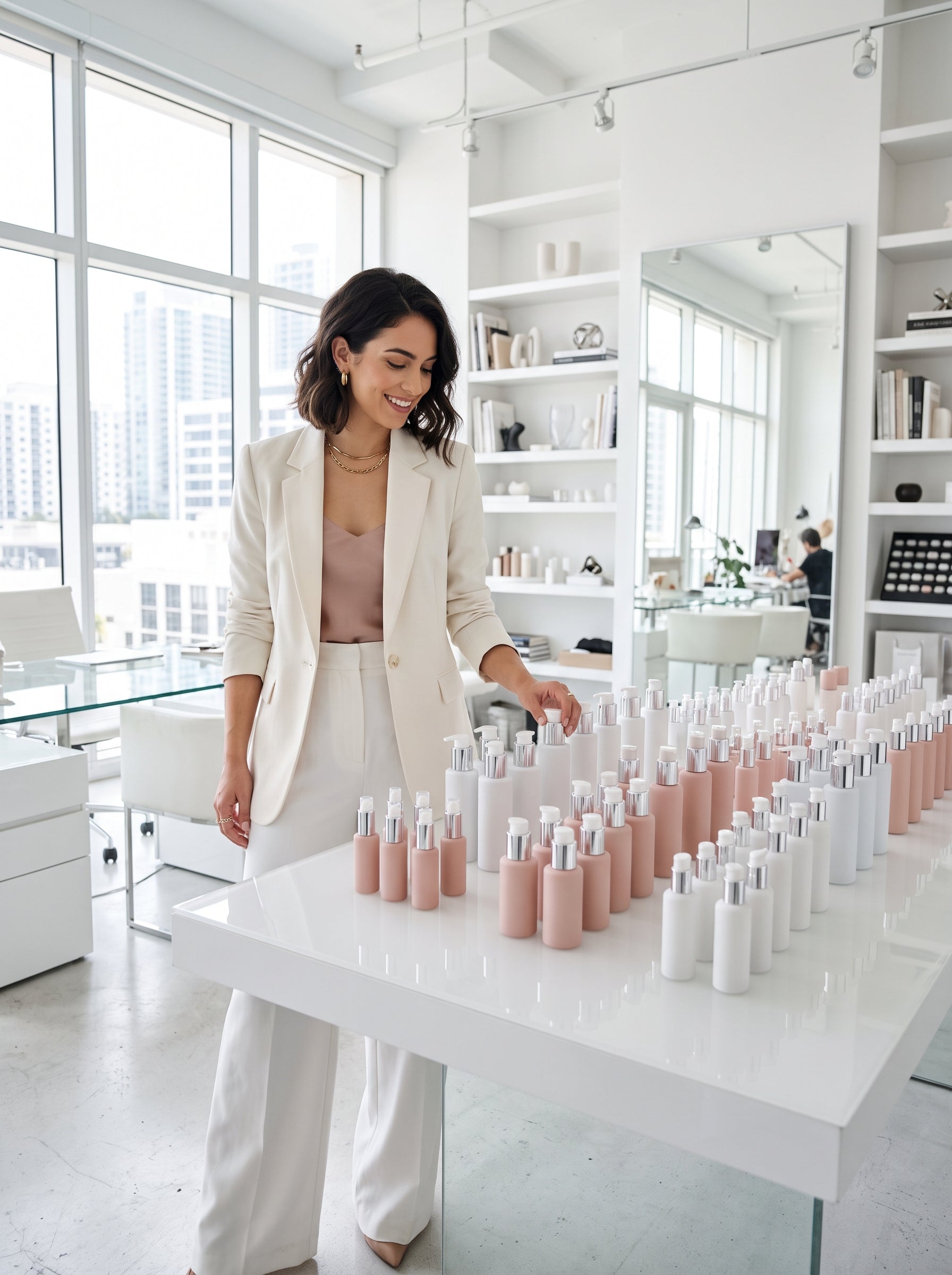
Fast-track your hero SKUs using clinically substantiated ingredients: biomimetic peptides, sulfate-alternative isethionate surfactants, and patent-compliant disulfide bond rebuilders.
Explore turnkey catalog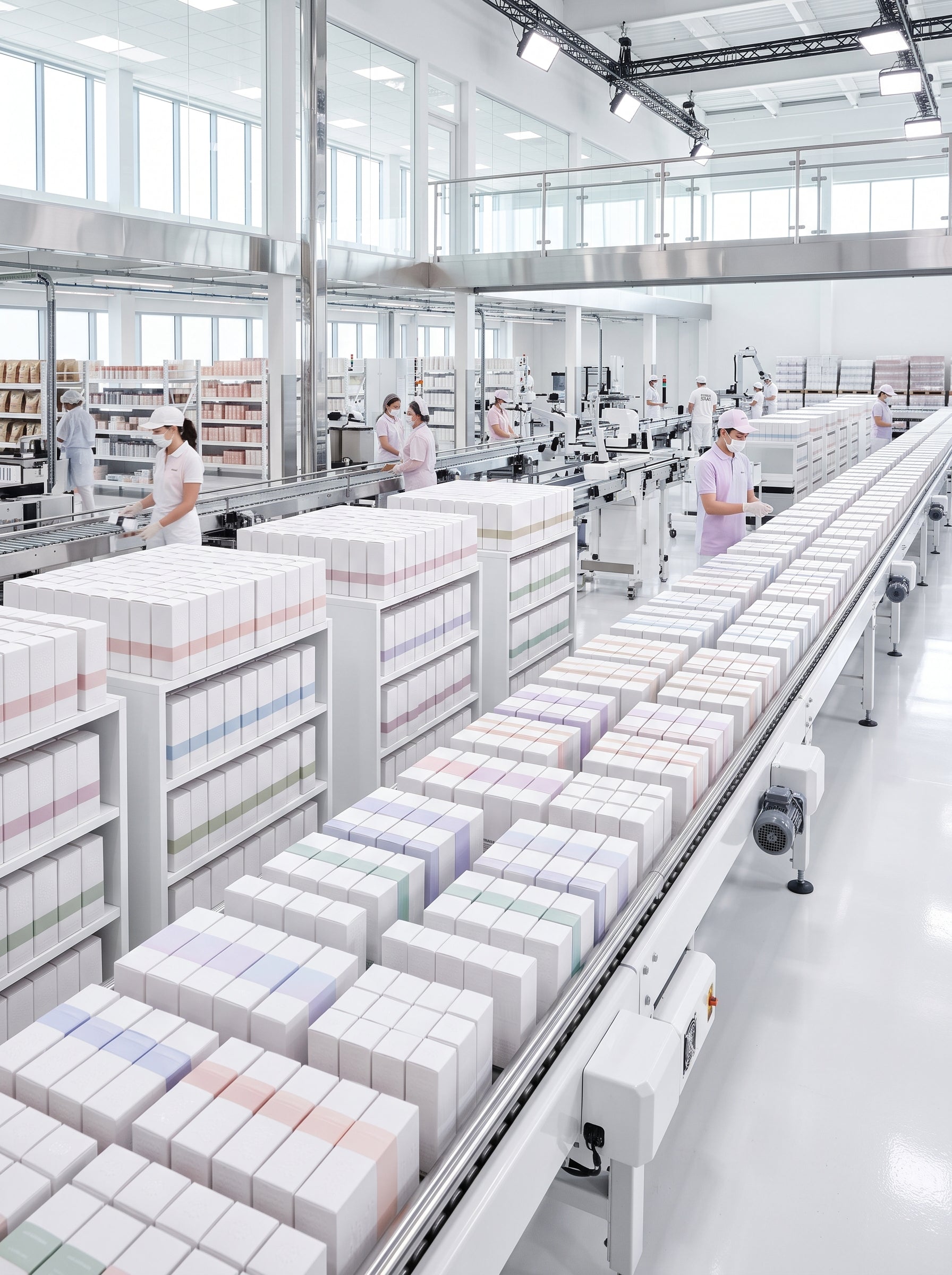
Scale with confidence into Target, Ulta, Sephora, or Amazon. Backed by 17 high-speed fill lines and documented batch consistency from 5,000 to 100,000+ units per cycle.
Review filling capacity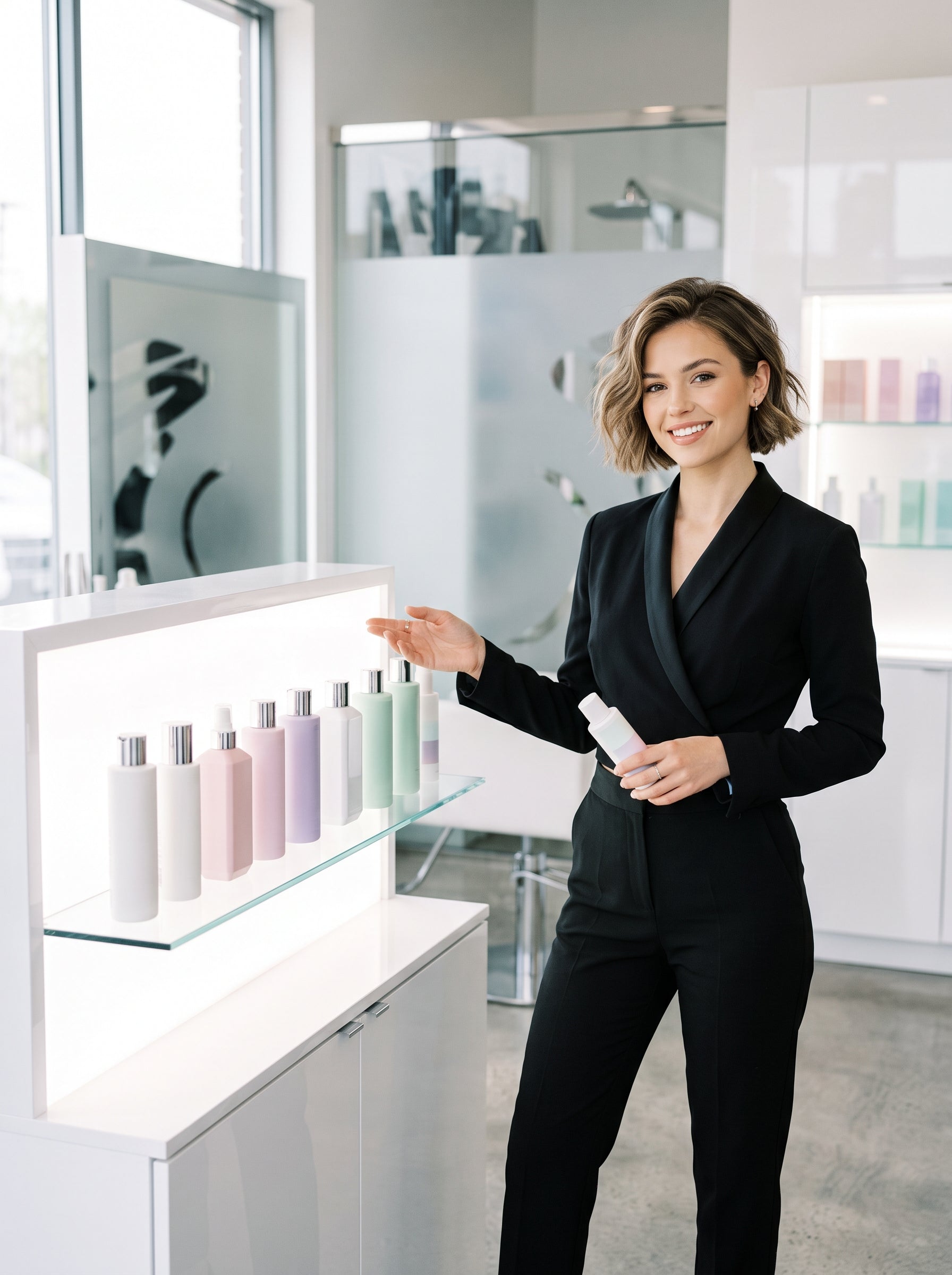
Equip styling stations and backbars with proprietary pH-optimized clarifyers, purple and blue deposit toning emulsions, deep-repair masks, and 128 oz gallon refills.
Discover backbar solutionsProcurement Pathways
Whether commercializing an innovative molecular bonding molecule, matching an international benchmark, or white-labeling proven formulas, our technical service framework protects your capital and intellectual property.
Access 1,000+ validated stock formulations. Pre-tested for PET challenge, thermal stability, and immediate retail readiness.
View stock formulations
Original chemical architecture designed to your brief. Benchmark reverse-engineering with prototypes shipped in 2 to 4 weeks.
Explore custom R&D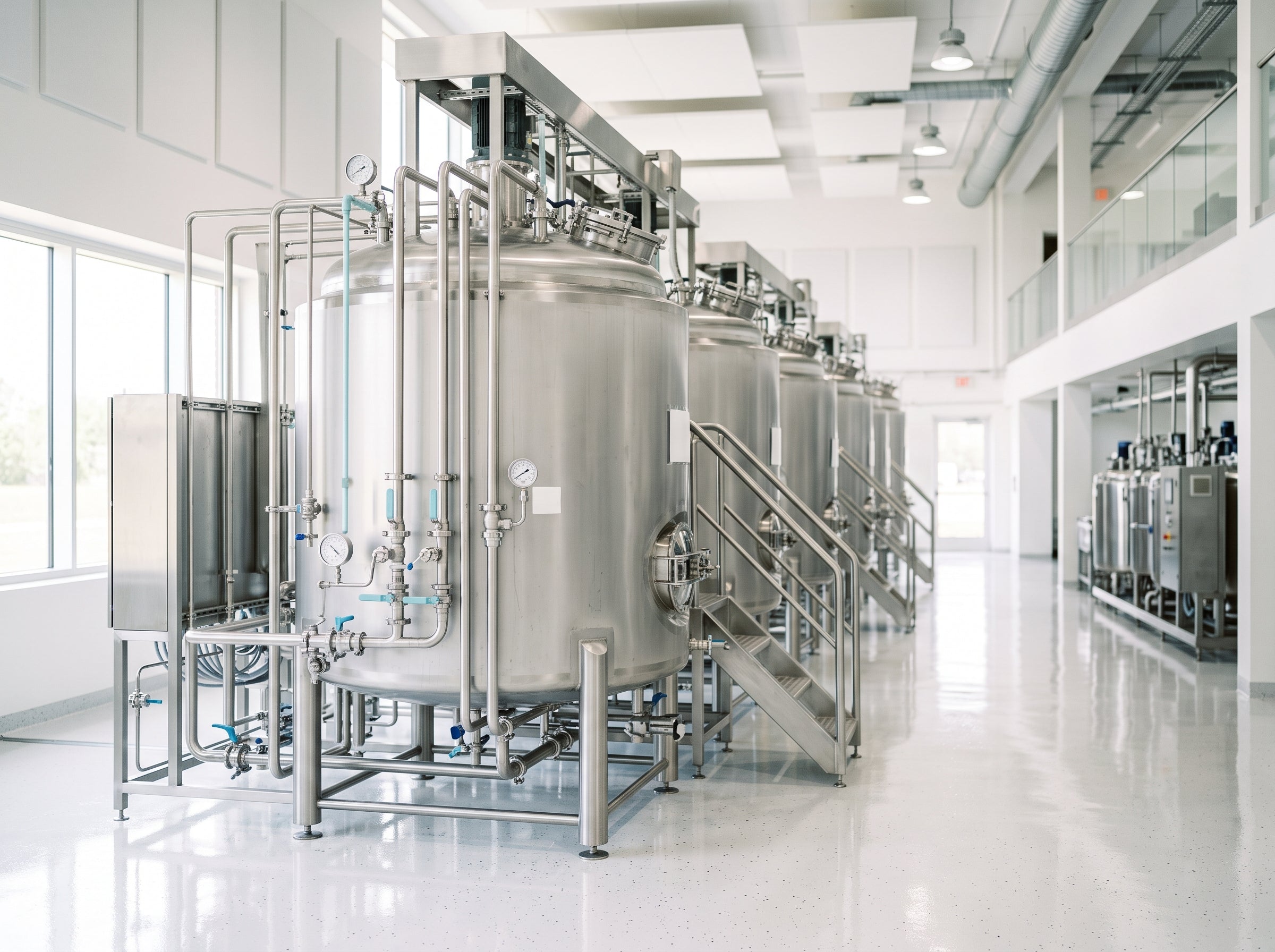
Transfer existing master formulas. Scale compounding in our 7,000 gal/day vessels with full lot tracking and cGMP QA validation.
Review contract manufacturingDetailed parameters specifying minimum runs, timeline milestones, and regulatory support by operational engagement tier.
| Evaluation Criteria | Turnkey Salon Private Label Fast-Track Market Entry | Bespoke Custom Formulation Highest IP Differentiation | Contract Compounding & Filling Formula Owners & Enterprise |
|---|---|---|---|
| Chemical Foundation | 1,000+ proprietary, bench-tested formulas | De novo chemical modeling or benchmark reverse engineering | Client-supplied master formula transfer |
| Target Procurement Profile | Independent salon brands, medspas, rapid-launch DTC | Prestige brands requiring patentable hero IP | Established multi-door brands relocating production |
| R&D Development Fee | $0 (Included in unit cost) | USD 500 – 1,000 (Credited back on 1st production run) | Tech transfer & pilot batch fee only |
| Pilot Salon Testing | Pre-validated in on-site salon | Included at every sample revision iteration | Optional verification on production lines |
| Production MOQs | From 2,500 units per standard SKU (480 backbar gals) | From 2,500 units (container format dependent) | Pilot batch runs up to 100,000+ units |
| Manufacturing Lead Time | 4 to 6 weeks door-to-door | 4 to 8 weeks following formula sign-off | 4 to 6 weeks from raw material delivery |
Execution Roadmap
A transparent manufacturing pipeline designed for overseas and institutional sourcing directors. No hidden subcontractor markups, no vague production windows, and fully audited cGMP documentation at every gate.
We evaluate your target active loads, preferred viscosity profiles, pH criteria (3.8–5.5), and raw material restrictions (Clean at Sephora, EU Annex compliant).
Quotes locked for 30 daysPrototypes formulated within 2 to 4 weeks. Evaluated on live models and multi-ethnic swatches inside our on-site salon by professional stylists.
1–3 sample iterationsAccelerated 3-month stability (45°C/75% RH), 28-day USP 51 preservative challenge, and comprehensive international compliance dossiers generated in-house.
Global regulatory dossiersEmulsions blended in 7,000 gal/day stainless reactors, transferred into 17 high-speed fill lines, labeled, batch-coded, and shipped within 4 to 8 weeks.
50% production depositOrder Parameters
| Container & Formula Format | Standard Run Minimum |
|---|---|
| Targeted Sachets & Packettes (5–15 ml) | 10,000 units |
| Scalp Drops, Diagnostic Serums (10–60 ml) | 5,000 units |
| ↳ High-Active Peptide Bond Treatments | 2,500 units |
| Standard Salon Retail Bottles & Tubes (2.1–8 oz) | 2,500 units |
| Liter Backbar Refills & Value Sizes (16–32 oz) | 2,500 units |
| Commercial Backbar Refill Gallons (128 oz) | 480 units |
Commercial Transparency
| R&D Formulation FeeCredited against initial mass production invoice | USD 500 – 1,000 |
| Production Scheduling Deposit | 50% |
| Price Quotation Validity | 30 Calendar Days |
| Prototype Delivery Window | 2 – 4 Weeks |
| Commercial Production Lead Time | 4 – 8 Weeks |
Procurement Strategy Note: MOQs apply per registered formulation SKU. Running a 3-step salon bonding routine (Clarifying Pre-Wash, Bonding Emulsion, Sealant Mist) requires 2,500 units per individual formula.
Competitive Advantage
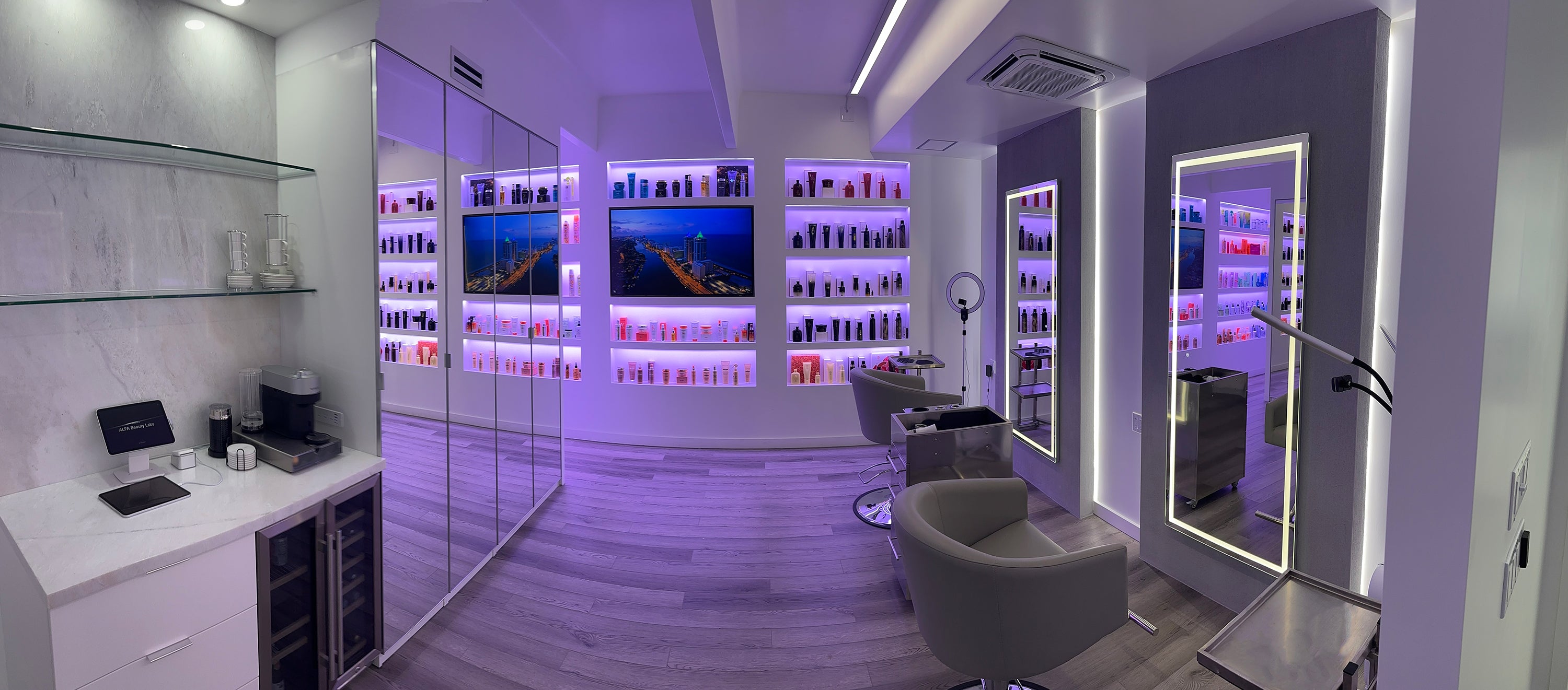
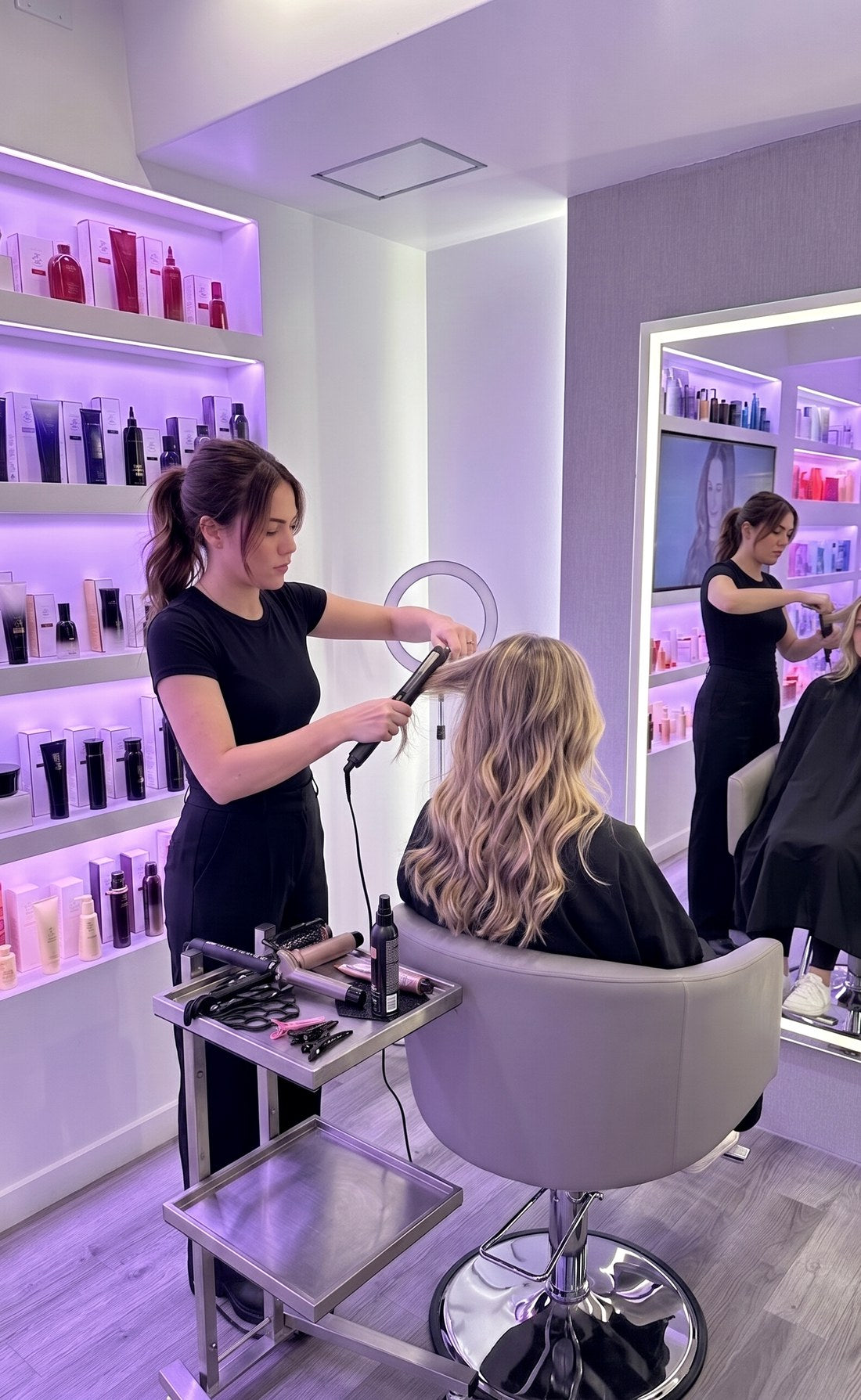
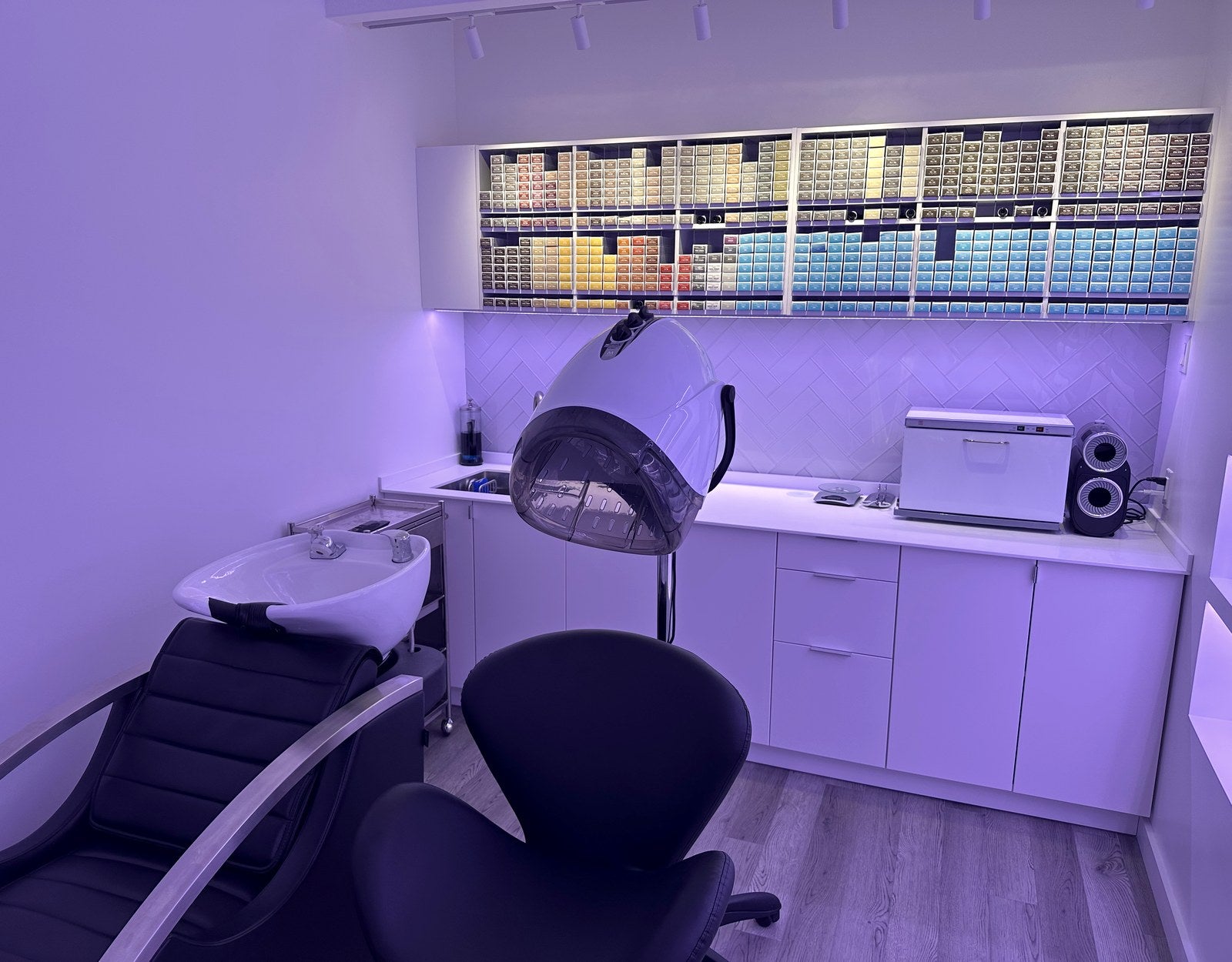
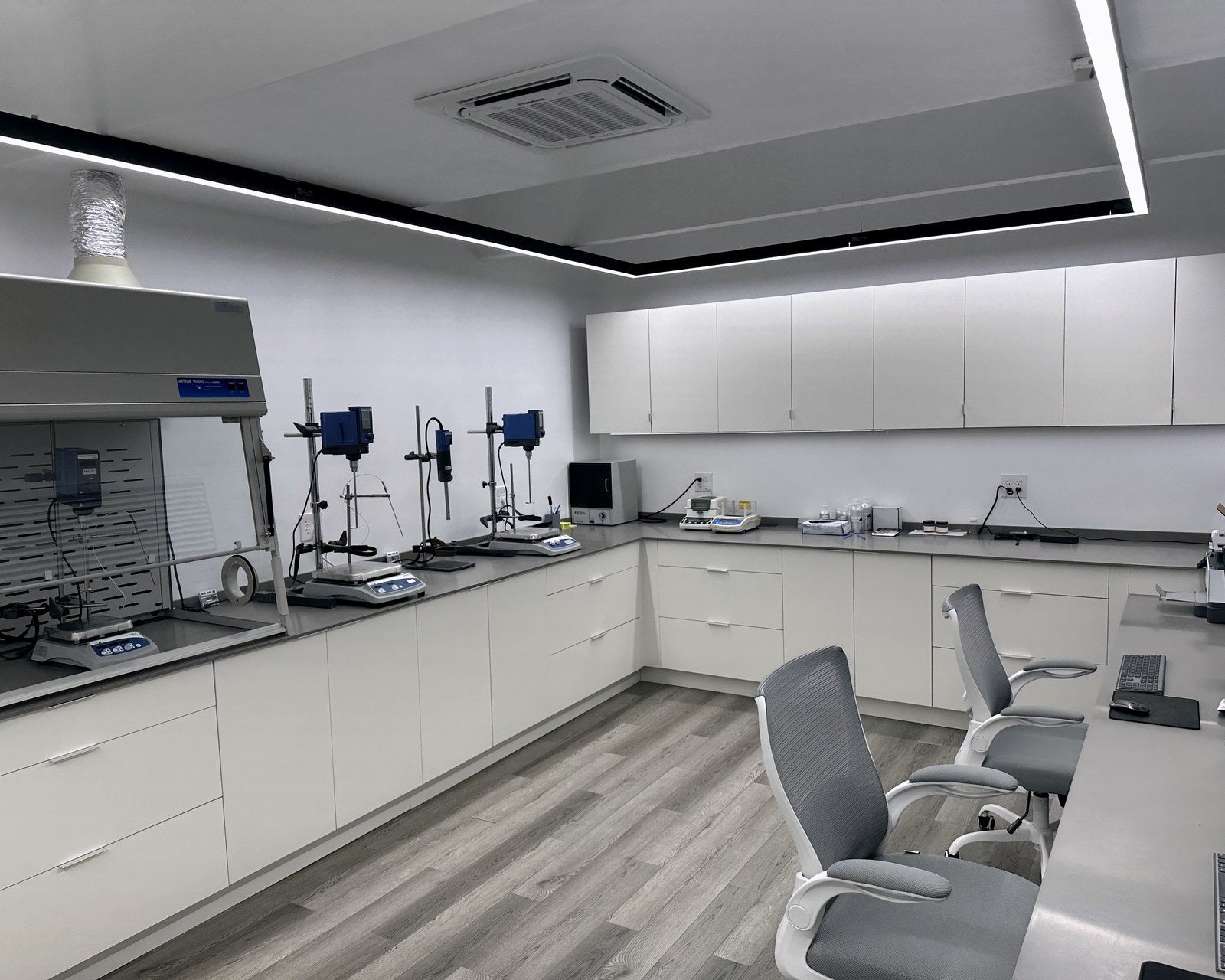
Typical cosmetic manufacturing relies on lab technicians testing liquids on synthetic polymer swatches. Hair behaves differently under mechanical brush drag, professional bowl-and-brush application, alkaline lightening bleach, and 450°F ceramic styling tools. We built a fully licensed salon right inside our Miami plant.
Product Recommendations
Engineered to capture modern category growth. Every formula is thoroughly challenge-tested, pH-calibrated, and optimized for retail shelves and professional styling stations.
Engineered with bis-aminopropyl diglycol dimaleate alternatives and hydrolysed low-dalton vegetable proteins to rebuild ionic bonds inside bleached hair cortex fibers.
Micro-droplet emulsion formulated with fermented zinc, 2% niacinamide, and biomimetic copper tripeptides to soothe irritated scalps and encourage healthy folicle growth.
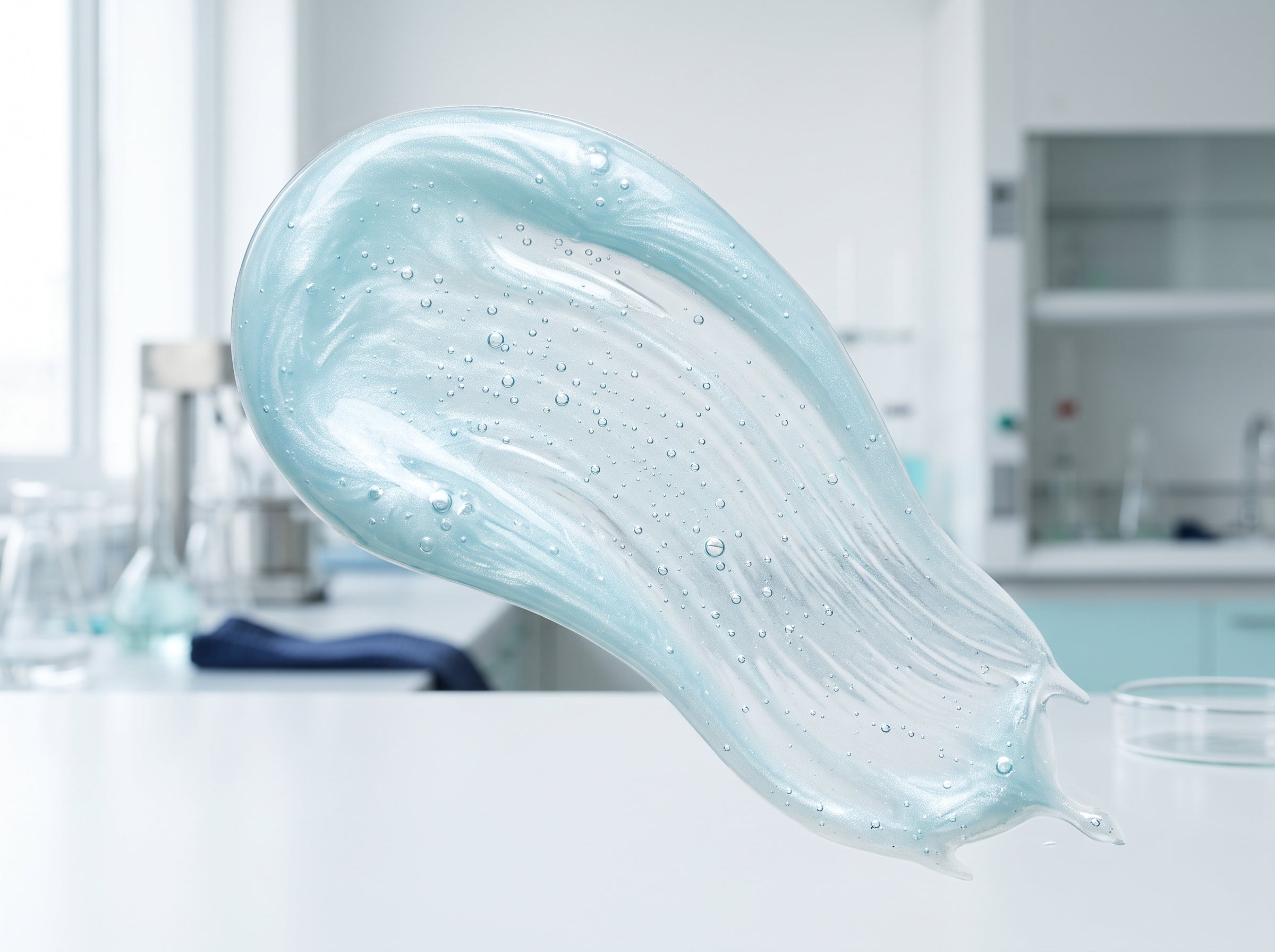
Advanced tetrasodium EDTA and phytate complex that binds hard water deposits, chlorine, and styling silicones before professional color or chemical services.
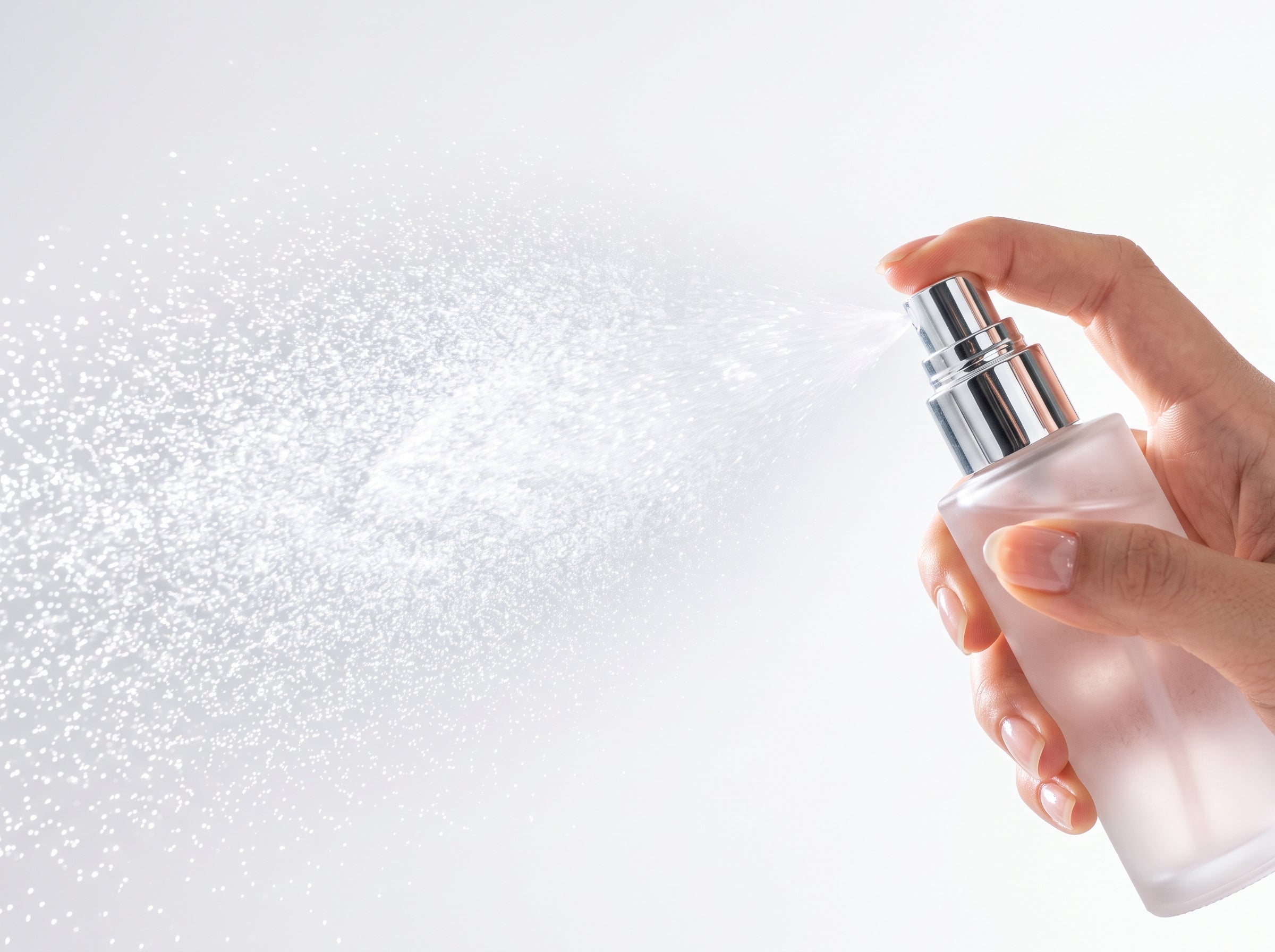
Balanced violet and ultramarine chromatic blends suspend within a cetearyl emulsion to eliminate brassy tones in lifted blonde and silver hair while sealing cuticles.
Propylene glycol-activated liquid treatment that self-warms on wet hair, depositing lamellar lipid sheets only where structural cuticle porosity is detected.
Require customized active loads or certified organic botanicals? Consult with our formulation chemists
Market Intelligence & Sourcing Strategy
The professional haircare industry is shifting rapidly. Brand managers and procurement leaders must adapt to changing consumer expectations, clean-chemistry retail mandates, and modern hair science.
Modern consumers evaluate their scalps with the same care as facial skin. Professional salons are adding micro-biome scalping rituals, exfoliating salicylic tonics, and peptide folicle drops. Sourcing teams are shifting formulas toward dermatologically sound, non-comedogenic bases.
Dimethicone-heavy formulas are giving way to biomimetic plant oligopeptides and fermented plant ceramides. These active complexes penetrate the cortex rather than masking surface damage, delivering real tensile elasticity under hot styling tools.
Salon chains are cutting their environmental footprints and freight expenses through ultra-concentrated formulas and high-density refill systems. Sourcing teams rely on 128 oz gallon refills and pouch packettes to cut single-use plastic waste.
The U.S. Modernization of Cosmetics Regulation Act (MoCRA) mandates full adverse-event reporting, certified facility registrations, and safety dossiers. Procuring through our FDA-registered facility ensures total compliance and clear audit documentation.
Key strategic differences modern procurement directors must evaluate between general contract factories and specialized salon-grade production plants.
| Evaluation Vector | General Cosmetic Contract Fillers | ALFA MFG Specialized Salon Manufacturing |
|---|---|---|
| Viscosity & Homogenization | Low-power mixing vats that separate under thermal stress or yield thin textures | High-shear contra-rotating scraped wall reactors designed for rich, stable masques |
| Cationic Emulsion Handling | Difficulty stabilizing quats (Cetrimonium / Behentrimonium) with active botanicals | Engineered ionic stabilization protocols preventing precipitation and graininess |
| Product Validation | Static lab swatches, no live backbar validation | Dedicated in-house hair testing salon operated by licensed stylists |
| Container Flexibility | Rigid high-volume automated lines limited to single-format runs | Versatile line setups accommodating 10 ml scalp serums to 128 oz backbar gallons |
Purchasing Intelligence
Direct answers to technical, regulatory, and financial questions frequently asked by overseas cosmetic buyers, purchasing managers, and brand founders.
Connect directly with our Miami-based technical chemists and account executives. Discuss your benchmark targets, target retail launch dates, and packaging volumes with complete NDA discretion.