From active cosmetic chemistry tested in live clinical testing salons to heavy-duty stainless steel vacuum emulsifying compounding rigs, our export catalogue serves beauty brands, salon chains, and chemical manufacturers worldwide.
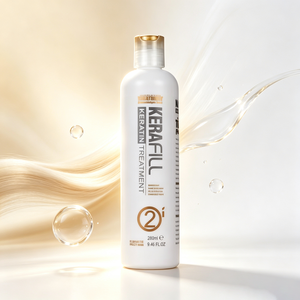
Formaldehyde-free cross-linking glyoxylic complex. Restructures cystine bonds for long-lasting frizz elimination and thermal cuticle protection.
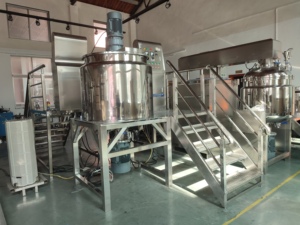
Sanitary SUS316L liquid washing homogenizer with double-jacket heating, high-shear bottom disperser, and frequency inverter blending.
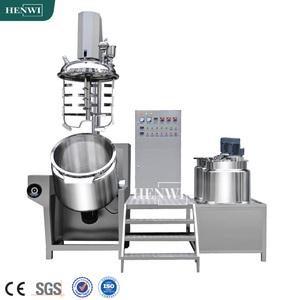
100-500L hydraulic lift deaerating emulsifier engineered for high-viscosity hair dyes, conditioning pomades, and dense reconstructive masks.
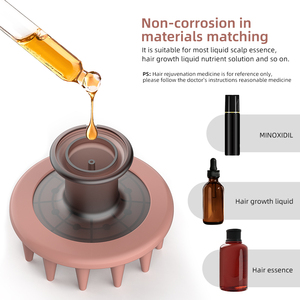
Medical-grade stainless alloy rolling ball fluid delivery combined with high-frequency micro-vibration for deep follicular peptide infusion.
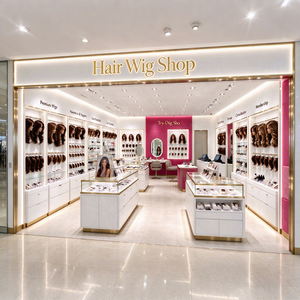
Architectural-grade tempered glass fixtures with CRI 95+ anti-glare illumination, secure acoustic slide locks, and modular display racks.
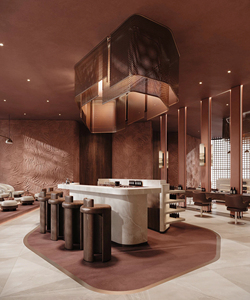
High-load hydraulic pump styling stations, chemical-resistant PU upholstery, and European-standard integrated ceramic shampoo units.
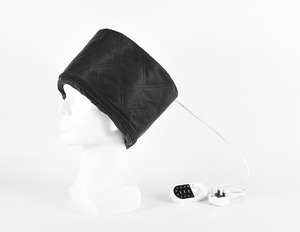
Microcomputer dual-temperature control thermal cap engineered for deep moisture penetration, cuticle expansion, and accelerated pigment uptake.

End-to-end design, MEP compliance planning, localized electrical integration, and direct factory export fit-out for flagship salons.
In modern B2B cosmetics and salon equipment export, certification is not merely a border clearance requirement; it represents the operational bridge between chemical safety, machinery operational hazard prevention, and consumer dermal reliability. As an integrated producer operating under both European Union (EU) conformity and United States Modernization of Cosmetics Regulation Act (MoCRA) benchmarks, our manufacturing ecosystem synchronizes mechanical machinery engineering with advanced trichological biochemistry.
For chemical formulations—including intensive smoothing complexes, anti-hair-fall scalp elixirs, and oxidation cream bases—CE and ISO 22716 certification enforces strict limits on bio-burden microbial loads, analytical challenge testing (ISO 11930), and raw material toxicological profiles. European Regulation (EC) No 1223/2009 mandates the creation of an extensive Product Information File (PIF), comprehensive Cosmetic Product Safety Reports (CPSR Parts A and B), and notification via the CPNP portal. Every batch processed through our Miami compounding facilities guarantees raw material traceability, non-detectable 1,4-dioxane thresholds, absence of prohibited heavy metals (lead, arsenic, mercury, cadmium), and third-party verified stability profiles across accelerated thermal tiers (4°C, 25°C, 40°C, and 45°C) over a 90-day testing window.
| Compliance Vector | Standard / Directive | Testing Parameters & Verification Method | Procurement Assurance |
|---|---|---|---|
| Cosmetic Compounding cGMP | ISO 22716:2007 / FDA cGMP | Cleanroom Class 100k, USP 61/62 bio-burden, allergen screening | Eliminates risk of microbial recall; rapid customs release |
| Machinery CE Directives | 2006/42/EC (Machinery), 2014/35/EU (LVD) | Pressure vessel hydro-testing, emergency stop relay latency, IP55 enclosure | Safe continuous 24/7 factory production, zero operator hazard |
| Electromagnetic Safety (EMC) | 2014/30/EU Directive | Radiated emission suppression, harmonic current, surge immunity | Interference-free operation in commercial salon environments |
| Material Biocompatibility | RoHS 2011/65/EU / REACH (EC 1907/2006) | XRF heavy metal spectroscopy, SVHC candidate substance exclusion | Eco-label compliance, zero endocrine disruptor leaching |
Similarly, our machinery lines—spanning 100L to 5,000L vacuum emulsifying systems and inline high-viscosity piston filling machinery—conform strictly to the EU Machinery Directive 2006/42/EC and Low Voltage Directive 2014/35/EU. Liquid contact surfaces are forged exclusively from AISI 316L austenitic stainless steel, passivated to an ultra-smooth internal finish (Ra ≤ 0.4 μm) to inhibit biofilm deposition and cross-contamination during CIP (Clean-In-Place) flushing cycles. For high-speed homogenizer heads, mechanical seals are cooled with pressurized fluid barriers to withstand aggressive surfactants, acids, and peroxide oxidizers commonly utilized in professional hair color synthesis.
Evaluating the scientific and engineering transformations reshaping salon haircare formulas, compounding methods, and professional retail environments from 2025 through 2030.
The global shift away from formaldehyde-donor straighteners has driven the development of non-toxic cross-linking polymers. Modern formulas combine biomimetic oligopeptides, glyoxyloyl carbocysteine, and enzymatic plant ceramides. These complexes penetrate the endocuticle to repair broken disulfide bonds without liberating toxic vapors under flat-iron heat up to 230°C.
Compounding engineering has advanced from heavy thermal heating cycles to ultrasonic and high-pressure sub-micron homogenization. Cold-process emulsifiers allow heat-sensitive active peptides, botanical ferment filtrates, and probiotic scalp lysates to retain 100% bio-potency while reducing industrial batch energy expenditure by up to 42%.
Scalp-care has unified with dermatology ("skinification of hair"). Delivery devices now merge tactile vibration with targeted fluid release, ensuring active serums bypass hair shaft absorption and deposit directly into the follicular infundibulum. This micro-dosing eliminates chemical waste while tripling topical active uptake efficiency.
Supply chain volatility, regulatory harmonization, and agile batch requirements dictate how global distributors, salon networks, and brand owners source products.
Rigid, high-volume minimums (50k+ units) are giving way to tiered, agile production runs. Scaled brands launch targeted formulations in 2,500-unit batches to test consumer sentiment and TikTok / social retail traction before scaling into 20,000+ unit mass retail runs on synchronized 17-line automated compounding configurations.
Fragmenting formulation chemistry, container packaging sourcing, machine engineering, and salon fixture manufacturing across disparate contractors introduces unacceptable supply chain friction. Modern procurement favors consolidated single-source partners capable of delivering both bulk fill-ready cosmetics and the commercial hardware to retail them.
Global buyers now demand on-demand access to analytical batch assays: Certificate of Analysis (CoA), gas chromatography-mass spectrometry (GC-MS) for fragrance stability, heavy metal ICP-MS screening, and real-time validation performed within fully staffed on-site testing salons.
Engineered to eliminate supply chain hand-offs, our integrated Miami facilities unite R&D laboratories, live salon validation suites, and high-volume automated compounding lines.
Audited by SGS under ISO 22716 guidelines and fully registered with the U.S. FDA in compliance with MoCRA. Every batch produced adheres strictly to international validation criteria.
Unlike contract compounders who send untested lab samples to external testers, our in-house licensed salon tests every formula revision on real human hair models across all curl patterns and textures.
From 5ml unit-dose sachets, airless pump serum ampoules, and retail bottles to 128 oz backbar refill jugs, our automated packaging infrastructure ensures consistent, airtight containment.
Formulations synthesized in our compounding tanks are actively stocked in prominent global retail and distribution channels including Target, Ulta, CVS, SalonCentric, Amazon Luxury, and leading salon franchises.
Direct answers to technical, logistical, compliance, and minimum order questions encountered by procurement professionals and brand founders.
Connect directly with our chemical formulation engineers and industrial equipment specialists. Receive detailed formulation dossiers, pilot batch parameters, and transparent FOB/CIF pricing within 24 business hours.