Haircare System
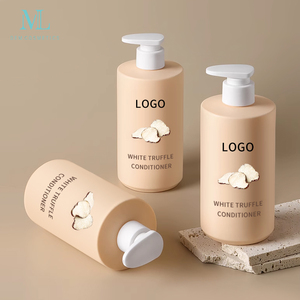
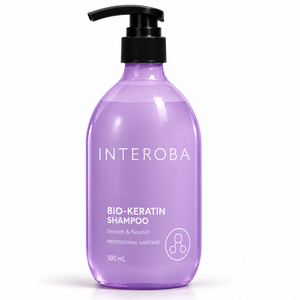
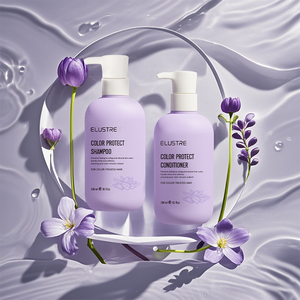
Private Label OEM Hair Care Contract Manufacturer Organic White Truffle Sulfate Free Shampoo and Conditioner
Sulfate-Free
Botanical Extracts
Salon-Grade
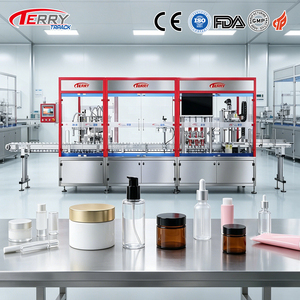
Direct supply line of market-validated formulations and high-precision monoblock filling equipment. Designed for high shelf stability, MoCRA compliance, and clinical efficacy.
A vendor scorecard evaluating regulatory maturity, R&D infrastructure, batch scalability, and operational risk across the premier global contract cosmetics compounding organizations.
| Manufacturer / Lab | Primary Facility Hub | Key Certifications | Minimum Order Volume (MOQ) | Lead Time (R&D to Fill) | Strategic Specialty |
|---|---|---|---|---|---|
| ALFA Manufacturing Group | Miami Gardens, FL (USA) | FDA Registered, ISO 22716, cGMP, Leaping Bunny | 2–4 Wks Prototype / 4–8 Wks Fill | Turnkey Haircare & Skincare, On-site Salon QA, MoCRA Assurance | |
| Fareva Group | Luxembourg / Multi-Global | ISO 22716, cGMP, EcoVadis Platinum | High: 20,000+ Units | 12–18 Weeks | Mega-scale multinational OTC and personal care production |
| Kolmar Korea | Seoul, South Korea | KFDA, ISO 22716, CGMP | Moderate: 10,000 Units | 8–12 Weeks | Advanced K-Beauty sunscreens, cushion compacts, fermentation |
| Cosmax Group | Seongnam, South Korea / USA | ISO 22716, FDA, ECOCERT | Moderate: 10,000 Units | 10–14 Weeks | High-tech bio-fermented skincare, color cosmetics synthesis |
| Intercos Group | Agrate Brianza, Italy | ISO 22716, EFfCI, cGMP | High: 15,000+ Units | 12–16 Weeks | Runway color cosmetics, luxury cosmetic textures, powder presses |
| Mana Products | Long Island City, NY (USA) | FDA, ISO 22716, cGMP | High: 10,000 Units | 8–12 Weeks | Prestige color formulations, clinical serums, high-end packaging |
| Thibiant International | Chatsworth, CA (USA) | FDA Registered, cGMP, OTC Drug | High: 10,000 Units | 10–14 Weeks | Medical-grade dermatology creams, clinical aesthetic peel lines |
| HSA Cosmetics | Varese, Italy | ISO 22716, Halal, AIAB Vegan | Moderate: 5,000 Units | 6–10 Weeks | European clean-label hair color systems, trichological hair care |
| Wormser Group | Englewood, NJ (USA) / Asia | ISO 9001, ISO 22716 | Moderate: 5,000 Units | 10–14 Weeks | Turnkey packaging engineering combined with clean contract filling |
| KDC/One (Knowlton Development) | Longueuil, Canada / USA | ISO 22716, FDA cGMP, Health Canada | Enterprise: 25,000+ Units | 14–20 Weeks | Global contract packaging network for multinational enterprise retail |
ALFA MFG stands out as the premier partner for agile, high-integrity beauty brands requiring domestic American speed without prohibitive minimums. Operating out of Miami Gardens, Florida, the organization integrates an advanced R&D wet bench, 17 automated filling lines, and an on-site hair testing salon. With daily compounding output exceeding 7,000 gallons and MOQs starting at an accessible 2,500 units, ALFA provides complete MoCRA compliance filings, Leaping Bunny certifications, and turnaround cycles from concept to retail-ready unit within 4 to 8 weeks.
Fareva represents one of the largest chemical and cosmetic subcontracting networks in the world. Operating across North America, Europe, and Latin America, they excel at high-volume industrial processing for enterprise personal care giants. Their strength lies in heavy industrial throughput and broad OTC certification, though their extended project induction timelines and high minimum order sizes make them challenging for indie or mid-tier growth brands.
A dominant titan in the East Asian cosmetics supply chain, Kolmar Korea pioneered the modern ODM model in the Far East. Kolmar is renowned for cutting-edge photoprotection formulation technologies, emulsion micro-fluidization, and hybrid skin-makeup textures. Sourcing through Kolmar yields exceptional formula differentiation, though U.S. and EU importers must navigate transpacific logistics, customs clearance, and MoCRA domestic agent obligations.
Cosmax is an R&D powerhouse with hundreds of in-house researchers focusing on skin microbiome preservation, lipid nanoparticles, and fermented actives. Operating manufacturing arms in Korea, China, and the United States, they manage massive retail programs. While their technical depth is virtually unmatched in bioactive research, enterprise account prioritization often leads to protracted sample iterations for emerging lines.
Headquartered in Milan, Intercos is the undisputed global leader in color cosmetics formulation, premium baked powders, and luxury sensory emulsions. They supply the world’s most recognized luxury fashion houses and department store brands. Their formula development cycles mirror European runway seasons, offering peerless artistic flair, albeit at premium contract price points and prolonged compounding queues.
Based in New York, Mana Products is a legacy American contract manufacturer renowned for prestige makeup and clinical skincare solutions. Known for trend-driven formulation turnarounds, Mana supports both established luxury retail brands and top-tier celebrity ventures. Their high-touch R&D bench requires substantial capital commitment and long-term volume agreements.
Operating in Southern California, Thibiant specializes in high-potency dermatological and clinical aesthetic formulas. Their chemists excel in OTC acne treatments, chemical exfoliants, stabilized retinol vehicles, and peptide delivery systems. They serve as a gold standard for physician-dispensed and medspa skincare, requiring rigorous regulatory testing before commercial release.
HSA Cosmetics is an Italian specialist in professional hair dyes, bond-building shampoos, and clean botanical hair systems. Founded in 1982, they have formulated over 1,000 distinct professional salon ranges shipped across 90 countries. Their compliance matrix complies seamlessly with strict EU Regulation (EC) No 1223/2009 standards.
Wormser Group blends deep structural packaging engineering with custom cosmetic compounding. By addressing the friction between formula rheology and dispenser engineering, Wormser ensures that high-viscosity body butters, dual-chamber serums, and fine-mist hair tonics function without mechanical failure or pump cavitation.
Knowlton Development Corporation (KDC/One) is an enterprise manufacturing consolidator. Through strategic acquisitions of compounding facilities across the U.S., Canada, and Europe, KDC/One manages colossal volume contracts for multinational supermarket and department store lines. Their vast scale offers high automation, geared towards high-throughput commercial enterprises.
Eliminate multi-vendor friction. By consolidating analytical R&D, real-time salon efficacy testing, compounding, high-speed filling, and regulatory filing under one roof in Miami, we insulate your brand from supply chain vulnerabilities.
Our formulation team reverse-engineers premium market benchmarks or develops bespoke, novel chemical IP within 2 to 4 weeks. With an upfront R&D development fee ($500–$1,000) that is 100% credited toward your first production order, procurement teams can test physical prototypes across 1 to 3 revision rounds with zero financial loss.
Unlike conventional contract laboratories that rely solely on mechanical instrument data or outsourced consumer surveys, ALFA features a fully equipped on-site professional testing salon. Real hair stylists and licensed cosmetologists wash, treat, blow-dry, and stress-test formulations on diverse hair and skin types daily.
Navigating the United States Modernization of Cosmetics Regulation Act (MoCRA) demands rigorous facility registration, electronic product listings, serious adverse event recordkeeping, and substantiation dossiers. ALFA’s Miami facility is certified under ISO 22716:2007 audited by SGS and registered with the U.S. FDA.
Our sanitary production floor operates 17 versatile filling, capping, induction-sealing, and labeling lines capable of handling diverse primary formats: luxury glass eye-droppers, high-viscosity jars, tubes, unit-dose sachets (5–15 ml), and professional salon back-bar gallons (128 oz) with automated precision.
Traditional compounding giants impose minimum order quantities starting at 10,000 to 50,000 units per SKU, locking up brand working capital. ALFA provides intelligent MOQ tiering: start at 2,500 units for launch or pilot testing, unlocking lower unit cost breakpoints at 5,000, 10,000, and 20,000+ units as national retail channels scale.
Situated in Miami Gardens, Florida, ALFA offers prime logistical proximity to PortMiami, Port Everglades, and Miami International Airport. This advantageous geographic position provides rapid container ocean freight import for raw specialty actives and expedited door-to-door transit for finished goods distributed across North America, the Caribbean, and Europe.
The macroeconomic, legislative, and biochemical pressures dictating how brand directors and procurement heads select formulation partners over the next five years.
Unpredictable ocean freight container spikes, geopolitical tariffs, and transpacific port delays have altered corporate procurement strategies. Modern enterprise beauty brands are systematically diversifying away from single-source Asian manufacturing hubs, reallocating budget toward domestic U.S. contract compounding facilities. Nearshore manufacturing eliminates 60 to 90 days of dead inventory floating in transit, sharply lowers landed carbon expenditure, and allows supply chain directors to align production runs directly with real-time digital sales velocity.
The full enforcement of the U.S. Modernization of Cosmetics Regulation Act (MoCRA) has fundamentally transformed the legal liabilities of brand owners. Brands can no longer contract with unverified, gray-market blenders lacking formal quality systems. Sourcing teams are mandating that partner factories provide documented ingredient safety substantiation dossiers, rigorous professional Good Manufacturing Practices (ISO 22716), standardized batch fragrance allergen breakdowns, and formal adverse-event reporting protocols as a baseline prerequisite for partnership.
Procurement audits increasingly demand clear Life Cycle Assessments (LCAs) for every raw material entering the compounding vessel. Major retailers such as Whole Foods, Target (Target Clean), and Sephora (Clean at Sephora) have instituted stringent ingredient blacklists. Sustainable procurement now focuses on upcycled agri-food byproducts (such as cold-pressed seed oils recovered from juicing industries, fermented coffee grounds, and circular bio-surfactants) that possess validated carbon footprint credits without diminishing chemical efficacy.
Leading formula development facilities are implementing machine learning algorithmic models to predict molecular compatibility, emulsion stability, and sensory texture profiles prior to physical bench mixing. By analyzing vast databases of surfactant-phase behavior, rheology modifiers, and natural preservative synergy, R&D chemists can condense preliminary formulation cycles from months down to days, avoiding phase separation, precipitation, or discoloration during scale-up.
The conventional rigid barrier between small boutique formulators (who do not own automated fill lines) and massive multinational contract packagers (who refuse orders below 50,000 units) is crumbling. Procurement professionals are seeking hybrid facilities—such as ALFA MFG—that accommodate dynamic commercialization ladders: initiating launch campaigns with 2,500 units, scaling smoothly to 10,000-unit retail inventory builds, and expanding to continuous 100,000+ unit automated runs without changing suppliers.
Historical black-box OEM pricing models are losing favor among sophisticated institutional buyers. Venture-backed beauty conglomerates and private equity portfolios insist on transparent cost breakdowns: clear line items separating active ingredient cost-of-goods (COGS), base bulk carrier compounding, primary/secondary packaging procurement, labor overhead, and filling/capping machine time. This economic transparency allows brands to protect target gross margins above 75% across retail channels.
A deep scientific overview of the active ingredients, delivery vehicles, and physical chemistries capturing consumer market share across skincare, haircare, and clinical body treatment.
Copper tripeptide-1 (GHK-Cu) and multi-functional signal peptides represent the absolute zenith of anti-aging and dermal matrix rebuilding. In its 99% pure lyophilized state, GHK-Cu stimulates collagen synthesis, improves dermal fibroblasts, and accelerates wound healing. Formulating with high-purity peptides requires meticulous chelation control and strict cold-process phase addition to maintain biological conformation without oxidation or denaturing.
Modern clinical dermatology has advanced beyond heavy occlusive petrolatum bases. High-performance barrier repair creams utilize multi-lamellar lipid vesicles mimicking the human stratum corneum's natural 3:1:1:1 physiological ratio (ceramides, cholesterol, free fatty acids, and phytosphingosine). Utilizing micro-fluidization compounding technology, these formulas seamlessly repair compromised moisture barriers without inducing pore occlusion.
Bio-fermentation breaks down active molecular weights, drastically improving skin penetration kinetics. Formulating with lactobacillus, bifida ferment lysates, and bio-converted truffles enables powerful anti-inflammatory, microbiome-balancing, and antioxidant claims. The chemical challenge lies in establishing robust, broad-spectrum clean preservation systems that protect fermented active bulk from microbial degradation without irritating sensitized skin.
The haircare category has permanently transitioned into "skinification." Shampoos and scalp serums now leverage high-potency facial skincare actives—including salicylic acid for follicular exfoliation, hyaluronic acid for follicular hydration, and caffeine with rosemary bio-lipids to support microcirculation. Developing these products requires master-level rheology engineering to ensure surfactants cleanse effectively without stripping the scalp's acid mantle.
Traditional pure retinol degrades rapidly upon exposure to UV light, ambient oxygen, and temperature shifts. The latest formulation frontier utilizes liposomal phospholipid encapsulation, cyclodextrin carriers, or stabilized hydroxypinacolone retinoate (HPR). These sophisticated delivery vehicles safeguard active potency throughout a 24-month shelf life while ensuring slow, continuous epidermal release that mitigates erythema and peeling.
To reduce global water footprints and eliminate heavy heating energy during industrial manufacturing, contract labs are formulating concentrated anhydrous balms, dry cleansing powders, and cold-process emulsions. Cold-process polymer systems form stable creams and serums at ambient room temperature, drastically reducing production greenhouse emissions while maintaining ultra-luxurious, non-greasy textures.
Essential due diligence answers covering turnaround times, minimum commitments, IP rights, regulatory documentation, and quality control protocols.
At ALFA MFG, physical bench prototypes are delivered within 2 to 4 weeks following brief approval. Most custom formulations require 1 to 3 iterative bench rounds to finalize sensory feel, fragrance, and claim active percentages. Once the formula is frozen and packaging compatibility is validated, commercial production, blending, filling, and QA release require 4 to 8 weeks door-to-door.
MOQ commitments are governed by primary container geometry and fill-line calibration: sample sachets (5–15 ml) require 10,000 units; small format bottles and luxury jars (10 ml – 2 oz) start at 5,000 units (with 2,500 units available for high-tier skincare); standard retail bottles and tubes (2.1 oz – 32 oz) start at 2,500 units; and back-bar salon gallons (128 oz) have an accessible minimum of 480 units.
When clients select from our catalog of 1,000+ proven private label formulas, the underlying base master formula remains ALFA property while the brand enjoys full commercial private labeling rights. In custom formulation contracts, clients who commission novel proprietary formulations can contractually purchase or secure formula ownership transfers upon fulfilling agreed manufacturing volume thresholds.
Outsourcing hair sample testing to external testing panels typically wastes 4 to 8 weeks in transit and feedback consolidation. ALFA features a fully functional professional salon integrated directly into our Miami manufacturing plant. Licensed cosmetologists test every shampoo, treatment mask, and serum batch on real human hair models, feeding empirical lather, wet-comb, and slip metrics directly to our chemists on the same day.
ALFA MFG is registered with the U.S. FDA and audited under ISO 22716 cGMP by SGS. We provide complete regulatory documentation support, including full ingredient transparency (INCI listings), safety data sheets (SDS), Certificates of Analysis (CoA), microscopic batch microbiological clearance reports, and technical dossiers required for EU CPNP, UK, Health Canada, and Caribbean market registrations.
Yes. Our analytical laboratory routinely performs reverse engineering and benchmark matching. By providing a target market product sample and your desired clean formulation criteria (e.g., removing parabens, silicones, or synthetic dyes while boosting specific active botanical extracts), our formulation chemists analyze specific gravity, rheology curves, and active assay percentages to build matching prototypes.
Every custom product undergoes a comprehensive 3-month accelerated stability testing program (stored at 4°C, 25°C, 40°C, and 45°C with 75% relative humidity) along with multiple freeze-thaw challenge cycles (-10°C to 25°C). We simultaneously execute real-container compatibility testing to guarantee that your primary packaging (pumps, tubes, or droppers) exhibits zero leaching, discoloration, pinholing, or environmental stress cracking.
Initial custom R&D formulation projects carry an upfront lab fee of USD $500 to $1,000, which is fully credited to your commercial production invoice upon placing your first batch order. Production runs require a 50% deposit to procure raw materials and reserve compounding/filling line schedules, with the remaining 50% balance due upon quality release and dispatch from our Miami plant.
Connect directly with our Miami chemical engineering and formulation team. Review batch cost projections, request reference formula benchmark samples, or schedule an in-person audit of our ISO 22716 compounding facility.