Direct factory-level procurement options ranging from high-potency restorative creams and serums to complete automated filling lines and bespoke primary packaging.
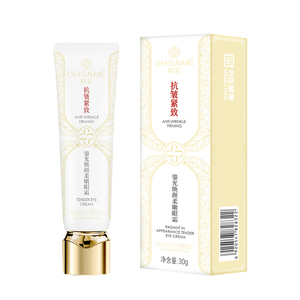
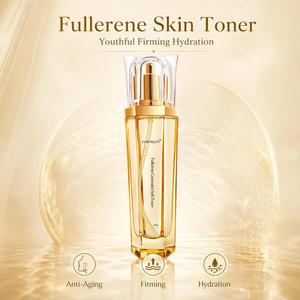
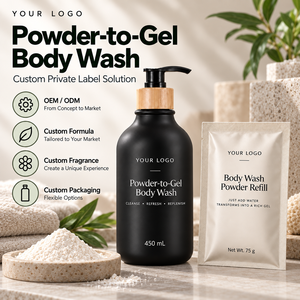
The global private label skincare market is witnessing unprecedented capital reallocation. As global retailers like Ulta, Sephora, Target, CVS, and high-end medspas mandate stringent product safety validation under the Modernization of Cosmetics Regulation Act (MoCRA) in the United States and Regulation (EC) No 1223/2009 across the European Union, selecting the optimal manufacturing partner requires examining technical compounding capacities, clean-label formulation agility, batch stability testing, and geopolitical export reliability.
Below is the definitive evaluation of the top 10 global private label moisturizer suppliers and contract exporters, segmented by their geographic specializations, compliance certifications, and technological strengths.
| Manufacturer / Exporter | HQ / Primary Facility | Audited Certifications | MOQ Starting Baseline | Primary Technical Core | Procurement Standing |
|---|---|---|---|---|---|
| ALFA Manufacturing Group | Miami, Florida, USA | FDA Registered, ISO 22716, Leaping Bunny | 2,500 units (Jars/Bottles) | On-Site Salon Testing, Rapid Prototyping, 17 Fill Lines | Tier 1 Global Leader |
| Kolmar Korea | Sejong, South Korea | ISO 22716, cGMP, KFDA | 10,000 units | Nano-emulsions, Sunscreen/Moisturizer Hybrids | Tier 1 Global Leader |
| Cosmax Inc. | Gyeonggi-do, South Korea | ISO 22716, US FDA Registered, ECOCERT | 10,000 units | Microbiome-derived lysates, Bio-ferments | Tier 1 Global Leader |
| Intercos Group | Agrate Brianza, Italy | ISO 22716, ISO 9001, cGMP | 5,000 units | Luxury sensorial textures, Color-skincare hybrids | Tier 1 Prestige |
| Fareva Group | Luxeuil-les-Bains, France | ANSM cGMP, ISO 22716, FDA OTC | 20,000 units | High-volume aerosol, dermocosmetic creams | Enterprise Scale |
| Mana Products | Long Island City, NY, USA | ISO 22716, FDA OTC, cGMP | 5,000 units | High-potency clinical actives, prestige treatments | North America Pro |
| Perrigo Company | Dublin, Ireland / USA | FDA cGMP, MHRA, TGA | 25,000 units | OTC therapeutic barrier creams (Hydrocortisone/Eczema) | Pharma Grade |
| Schwan Cosmetics | Heroldsberg, Germany | ISO 22716, DIN EN ISO 14001 | 5,000 units | Solid balm emulsions, stick moisturizers | EU Specialty |
| Noxell / Cosmolab | Barbera del Valles, Spain | ISO 22716, cGMP, COSMOS | 3,000 units | Natural & organic certified emulsions | EU Organic |
| Guangdong Bawei Bio-Tech | Guangzhou, China | ISO 22716, GMPC, US FDA CFSAN | 3,000 units | Ultra-competitive mass market lotions & gels | High Volume Export |
Strategic Procurement Finding: While Asian contract giants enforce strict 10,000 to 20,000-unit entry hurdles, North American manufacturers like ALFA MFG Miami have successfully dismantled the barrier to entry by maintaining scalable 2,500-unit minimum runs without sacrificing automated speed, allowing challenger brands to test formulations in omnichannel retail environments with reduced inventory holding liabilities.
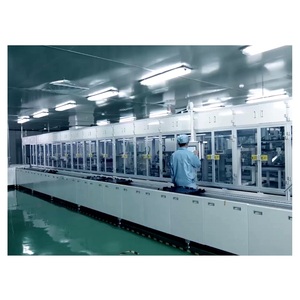
1. Turnkey Integrated Manufacturers (e.g., ALFA MFG): These facilities combine research & development labs, pilot compounding suites, 17 multi-container filling lines, and live testing environments in one consolidated footprint. This model minimizes technical transfer failures between external bulk blenders and secondary contract packagers, preserving formula emulsion integrity and shrinking development cycles to just 2 to 4 weeks.
2. Global Conglomerate Mega-Packers (e.g., Kolmar, Cosmax, Fareva): Optimized for multinational pharmaceutical corporations and global FMCG conglomerates requiring 100,000+ unit runs per cycle. While their compounding scale is immense, mid-sized brands often face 16 to 24-week lead times, non-negotiable MOQ tiers, and rigid formula libraries with minimal customization flexibility.
3. Prestige Sensory Ateliers (e.g., Intercos, Mana): Highly specialized in velvety aesthetic textures, transforming basic moisturizing creams into high-end vanity experiences. Formulations prioritize complex silicone elastomers, light-diffusing optical pearls, and exotic botanical scents, making them ideal for luxury department store positioning.
By consolidating formula development, in-house on-site salon validation, heavy bulk compounding, and high-speed multi-format filling under one cGMP roof, we eliminate subcontractor margins, supply chain blind spots, and communication delays.
Fully compliant with MoCRA facility registrations and product listings. Third-party verified by SGS for clean-room compounding precision.
Formulations undergo direct tactile, barrier-retention, and rheology evaluations with licensed cosmetologists and real consumer panels before scale-up.
Equipped with stainless-steel steam-jacketed high-shear vacuum homogenization vessels capable of executing pilot batches up to full-scale truckload orders.
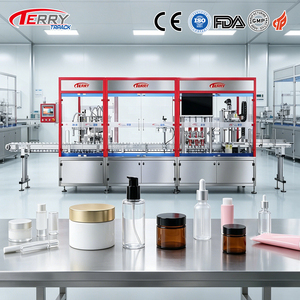
From single-use sample sachets (5–15ml) and custom luxury glass jars to airless vacuum pump bottles and industrial 128 oz bulk salon refills.
Procurement directors must look beyond static baseline formulas. The modern moisturizer consumer rejects inert mineral oil emulsions and silicones, demanding multifunctional, bio-compatible, and dermatologically validated barrier formulations. Sourcing teams should focus on these five core technical trends over the next three to five years:
Standard emulsions disperse oil droplets irregularly in water, offering only fleeting occlusion. Next-generation private label moisturizers utilize physiological lipid matrix technology mimicking human stratum corneum membranes. Formulating identical 3:1:1 molar ratios of physiological ceramides, plant-derived cholesterol, and free fatty acids allows the cream to integrate directly into intercellular lipid bilayers, accelerating cellular repair by over 60% compared to conventional glycerin lotions.
Live probiotic bacteria remain chemically unstable in high-water cosmetic bases without ultra-cold logistics. Leading R&D labs now employ stable postbiotic metabolites: heat-treated bio-ferment filtrates from Lactobacillus, Bifida, and micro-algae. Bio-fermentation reduces the molecular weight of botanical active extracts, dramatically increasing dermal penetration, balancing skin microbiome acid mantles, and calming inflammatory erythema.
Single-molecular hyaluronic acid has become obsolete in premium skincare procurement. Current high-efficacy catalog formulas demand a minimum of 4 to 8 distinct molecular weight strata: high molecular weight sodium hyaluronate (>1.8 MDa) to create a protective, breathable film preventing trans-epidermal water loss (TEWL); mid-molecular grades (0.8–1.5 MDa) to replenish interstitial moisture; and ultra-low hydrolyzed oligo-hyaluronic acid (<10 kDa) capable of penetrating the deep stratum spinosum to stimulate native pro-collagen synthesis.
With corporate ESG and carbon reporting entering international supplier contracts, cold-process manufacturing has become a critical procurement factor. Traditional hot-pour emulsions require massive energy consumption to heat bulk kettles to 75–80°C. By deploying polymeric emulsifiers and bio-polysaccharides that assemble at ambient temperatures (20–25°C), production facilities reduce process cycle energy by 40% while shielding heat-sensitive antioxidants, peptides, and botanical extracts from thermal degradation.
Under tightening global packaging mandates (such as the EU Packaging and Packaging Waste Directive revisions), packaging sourcing is shifting to 100% monomaterial Polypropylene (PP) and Polyethylene (PE) pumps, completely eliminating internal metal springs. This enables curbside recyclability without disassembly while protecting clean, preservative-minimal formulas from oxidation.
When executing supply contracts for private label face and body moisturizers, seasoned procurement professionals execute strict laboratory-backed due diligence to prevent batch failures, recalls, or regulatory export rejections:
Definitive technical and operational guidance for procurement teams, brand founders, and cosmetic importing distributors.
Whether you require an immediate market-ready stock moisturizer catalog, custom peptide-ceramide benchmark matching, or high-speed contract filling in our FDA-registered Miami facility, our technical chemists and procurement directors are ready to review your project brief.