Direct factory supply featuring pharmaceutical-grade clinical creams, concentrated ampoules, and automated packaging machinery engineered to meet stringent Saudi Food and Drug Authority (SFDA) technical standards.
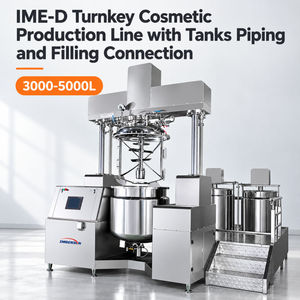
Sanitary SUS316L contact components, PLC vacuum deaeration, and sub-micron rotor-stator shearing optimized for heat-stable, high-viscosity clinical creams.
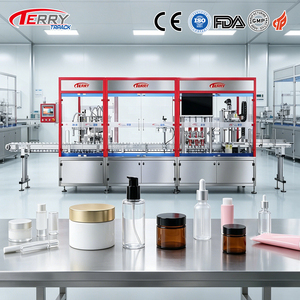
Monoblock rotary servo piston dosing calibrated for viscous dermatological lotions, anti-aging serums, and sensitive airless dispensing bottles.
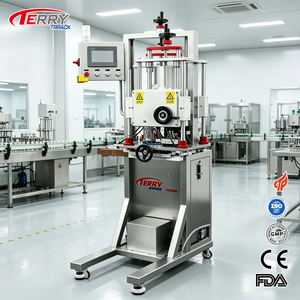
Torque-regulated precision closures for clinical glass vials, dropper bottles, and barrier cream jars with hermetic seal integrity to prevent volatile degradation.
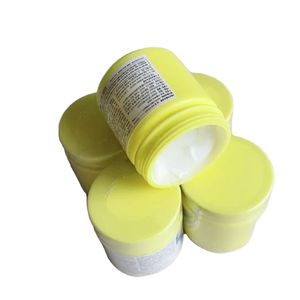
Medical aesthetic pre-treatment topical comfort cream formulated for mesotherapy, laser fractional resurfacing, and microneedling procedures in Riyadh clinics.
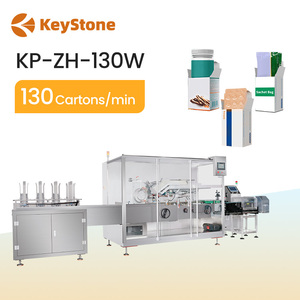
High-speed cartoning with leaflet insertion and tamper-evident coding for dermatological ampoule trays, collagen peptide vials, and nutricosmetics.
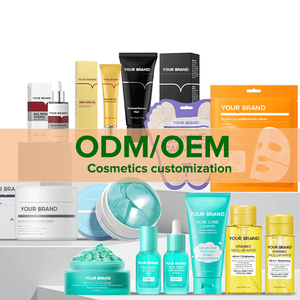
Concentrated hyaluronic acid, epidermal growth factors (EGF), and multi-ceramide barrier repair formulations tested for post-peel aesthetic recovery protocols.
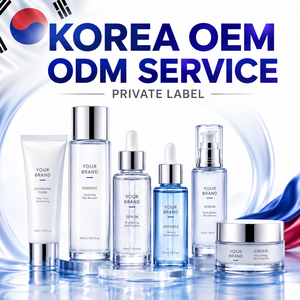
Centella asiatica, tranexamic acid, and PDRN salmon DNA bio-revitalizing complexes engineered for non-greasy, rapid penetration in extreme desert climates.
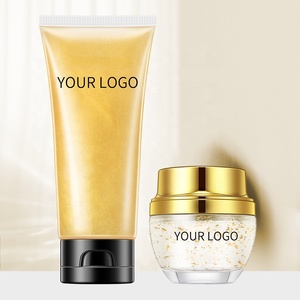
Flexible pilot-scale production lines designed for specialized dermatology chains, high-end medspas, and doctor-dispensed boutique skincare labels.
Navigating Riyadh's harsh arid climate, surging medical tourism under Saudi Vision 2030, and stringent SFDA compliance requirements demands contract manufacturing partners with proven biochemical expertise and industrial scale.
Riyadh experiences seasonal relative humidity levels dropping below 12%, paired with summer temperatures frequently exceeding 47°C. Conventional cosmetic emulsions destabilize and evaporate rapidly upon application, leaving the stratum corneum vulnerable to micro-fissures and acute xerosis.
Riyadh represents the highest density of aesthetic dermatology clinics and cosmetic surgery centers in the GCC region. High-frequency procedures such as ablative fractional CO2 lasers, picosecond laser pigment toning, microneedling radiofrequency (MNRF), and chemical peels require specialized post-intervention topicals.
Distributing skincare into Saudi Arabia mandates flawless regulatory documentation aligned with Saudi Food and Drug Authority (SFDA) cosmetics circulars, GSO 1943/2021 standards, and mandatory product listing via the eCosma and Saber systems.
A primary failure mode for international cosmetics imported into Riyadh is emulsion separation during warehousing and transit, where surface asphalt temperatures reach 65°C. Our factory integrates advanced sub-micron high-shear homogenizers operating at 3,600+ RPM and polymeric emulsification matrices to guarantee shelf-life integrity.
By pairing lamellar liquid crystal (LLC) emulsifiers with polyacrylate cross-polymers, our formulas retain exact droplet morphology and skin feel whether stored in climate-controlled Olaya clinics or transported across the Riyadh Ring Road logistics corridors.
| Analytical Parameter | Standard Commercial Grade | Our Clinical Export Grade |
|---|---|---|
| Thermal Stability | 40°C for 30 Days | 50°C for 90 Days + Freeze-Thaw (-10°C to +45°C) |
| Active Bioavailability | Unencapsulated Surface | Liposomal Phospholipid Nanocarriers |
| Preservative Profile | Phenoxyethanol > 0.8% | Biomimetic Glycols + Hydroxyacetophenone |
| eCosma Readout | Secondary Retesting Needed | Pre-cleared INCI, COA & Heavy Metal Assays |
| Packaging Compatibility | Standard PET/PP | Multi-layer EVOH, Airless Pumps & Amber Glass |
Fuelled by Saudi Vision 2030, high disposable income in the Central Province, and heightened aesthetic consciousness, the Riyadh dermatological and clinical skincare market is shifting from mass retail to clinical efficacy.
Rapid expansion of luxury multi-specialty polyclinics across affluent Riyadh districts (Al Malqa, Al Nakheel, Al Mohammadiyyah, and Al Olaya) is driving demand for doctor-branded clinical skincare dispensed immediately after non-surgical procedures.
Saudi consumers are increasingly scrutinizing INCI lists. Brands demanding hypoallergenic, fragrance-free, alcohol-free, paraben-free, and Halal-certified clinical formulas are outperforming legacy mass-market luxury brands by 3.8x in annual re-orders.
Biotech skincare using plant-derived exosomes, synthetic growth factors, and polynucleotides (PDRN) is replacing basic moisturizing lotions. Clinics seek turnkey suppliers capable of cold-sterile vial compounding and freeze-dried peptide manufacturing.
With an annual UV index often reaching 11+ in Riyadh, the clinical demand for broad-spectrum SPF 50+ PA++++ formulations with integrated HEV blue light and IR protection, without leaving a white cast on Fitzpatrick skin types III–V, is paramount.
Operating an audited cGMP facility with an in-house analytical R&D laboratory, cleanroom compounding suites, and high-speed filling lines designed to scale your skincare venture from pilot batches to nationwide Saudi distribution.
Enclosed cleanroom batch reactors featuring counter-rotating sweep agitators, high-shear internal homogenizers, and continuous deaeration to ensure bubble-free, micro-emulsified lotions and active serums.
Capability spanning sterile ampoules, glass dropper vials, airless vacuum dispensers, aluminum tubes, clinical sachets, and large-format salon containers (10ml to 128oz gallons) with automated torque monitoring.
Our formulation scientists execute benchmark matching against top clinical luxury brands, replacing irritants with bio-compatible alternatives while maintaining target skin feel and efficacy claims.
Every production lot is validated via HPLC active ingredient assays, preservative challenge testing (USP 51), freeze-thaw cycles, and full heavy metal/pathogen screening required for SFDA importation.
Critical operational guidance regarding SFDA compliance, shipping logistics to King Khalid International Airport (RUH), minimum order quantities, and payment terms.
We supply an exhaustive SFDA export compliance dossier with every custom batch, including: (1) Certificate of Free Sale (CFS) legalized for Saudi Arabia, (2) ISO 22716 / cGMP audit certificates, (3) Quantitative and qualitative INCI formulation breakdowns with CAS numbers, (4) Toxicological safety assessment report by a qualified safety assessor, (5) Certificate of Analysis (COA) confirming zero presence of prohibited colorants, heavy metals below SFDA thresholds, and antimicrobial efficacy testing (PET), and (6) bilingual Arabic/English compliant label artwork templates.
Shipments destined for Riyadh (King Khalid International Airport RUH or Riyadh Dry Port via Dammam) utilize active temperature-controlled refrigerated reefers (maintained at 18°C–22°C) or temperature-shielded thermal pallet quilts for air cargo. In-transit USB/wireless temperature data loggers accompany each consignment, recording thermal profiles continuously from our dispatch dock until formal customs handover at your Riyadh distribution center.
MOQs are structured by container type: (1) High-concentration luxury clinical skincare (10ml–50ml dropper vials and airless jars) starts at 2,500 units per SKU; (2) Standard bottles, tubes, and lotions (60ml–250ml) start at 2,500 to 5,000 units; (3) Single-dose post-care clinical sachets (5ml–15ml) start at 10,000 units; and (4) Bulk salon/clinic backbar containers (500g–1 Gallon) start at 480 units. We offer tier discounts at 5,000, 10,000, and 20,000+ unit brackets.
Yes. In full compliance with SFDA safety guidelines prohibiting over-the-counter hydroquinone, our chemists utilize clinical-grade, stable brightening alternatives with documented tyrosinase-inhibiting efficacy: liposomal Tranexamic Acid (2%–5%), Alpha-Arbutin (1%–2%), Ethyl Ascorbic Acid, Niacinamide (USP Grade), Glabridin (Licorice Extract), and patented peptide complexes like Nonapeptide-1. These complexes treat stubborn melasma and post-inflammatory hyperpigmentation (PIH) commonly exacerbated by intense Riyadh solar radiation.
The standard development workflow involves: (1) R&D benchmarking and sample prototyping: 2 to 4 weeks; (2) Sample review, iteration, and stability sign-off: 1 to 2 weeks; (3) Bulk cleanroom compounding, automated filling, labeling, and QC release: 4 to 6 weeks; (4) Air cargo transit and Saudi customs clearance: 5 to 9 business days. Total cycle time for an original clinical custom formulation generally ranges between 8 and 12 weeks from deposit to warehouse arrival.
Yes. Through our Contract Manufacturing and Toll Compounding arrangements, clients may supply proprietary actives (such as specialized date palm seed extracts, regional camel milk biopolymers, or patented cosmetic peptides) or bespoke imported luxury packaging. All client-supplied raw materials undergo rigorous incoming quality control (IQC) testing in our laboratory for purity, microbial safety, and thermodynamic stability prior to incorporation into the cleanroom batch process.
Speak directly with our pharmaceutical-grade formulation chemists and GCC export directors. We provide transparent turnkey costing, comprehensive regulatory dossier preparation, and express prototype dispatch to your Riyadh office.